Maintenance Scheduling for Gainesville Rentals: A Complete Guide
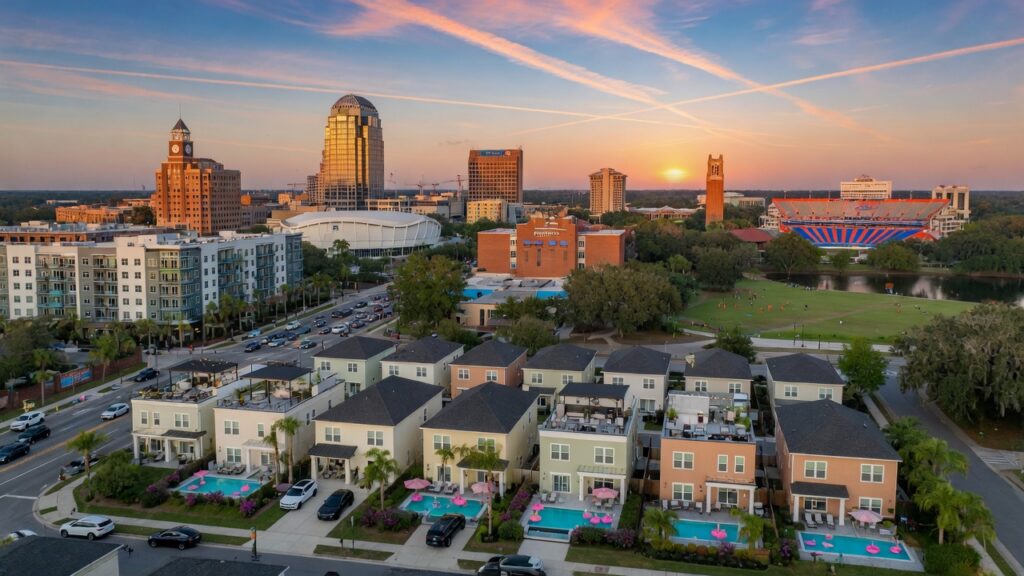
Operating successful short-term rental properties in Gainesville requires more than attractive listings and competitive pricing. Consistent, proactive maintenance scheduling is the foundation that protects your investment, ensures guest satisfaction, and maintains regulatory compliance in a competitive market. This comprehensive guide provides property managers and owners with seasonal calendars, vendor coordination systems, and smart monitoring solutions tailored specifically for Gainesville’s unique climate and rental demands.
Why Maintenance Scheduling Matters for Gainesville Short-Term Rentals
Gainesville’s humid subtropical climate creates specific challenges for rental properties. High humidity, intense summer thunderstorms, and occasional freezes demand a strategic approach to upkeep. Poor maintenance scheduling leads to negative guest reviews, costly emergency repairs, and potential violations of local short-term rental regulations.
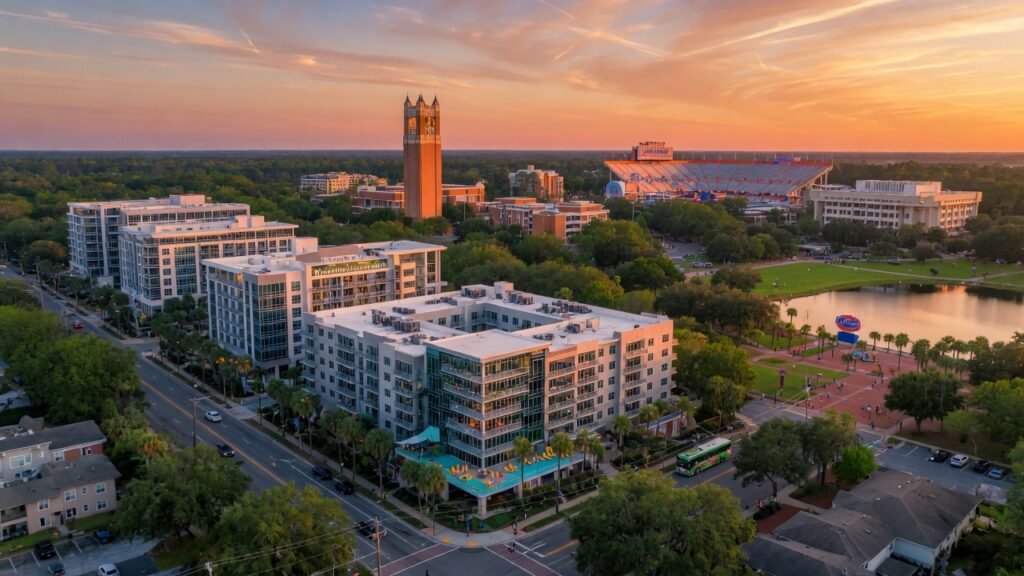
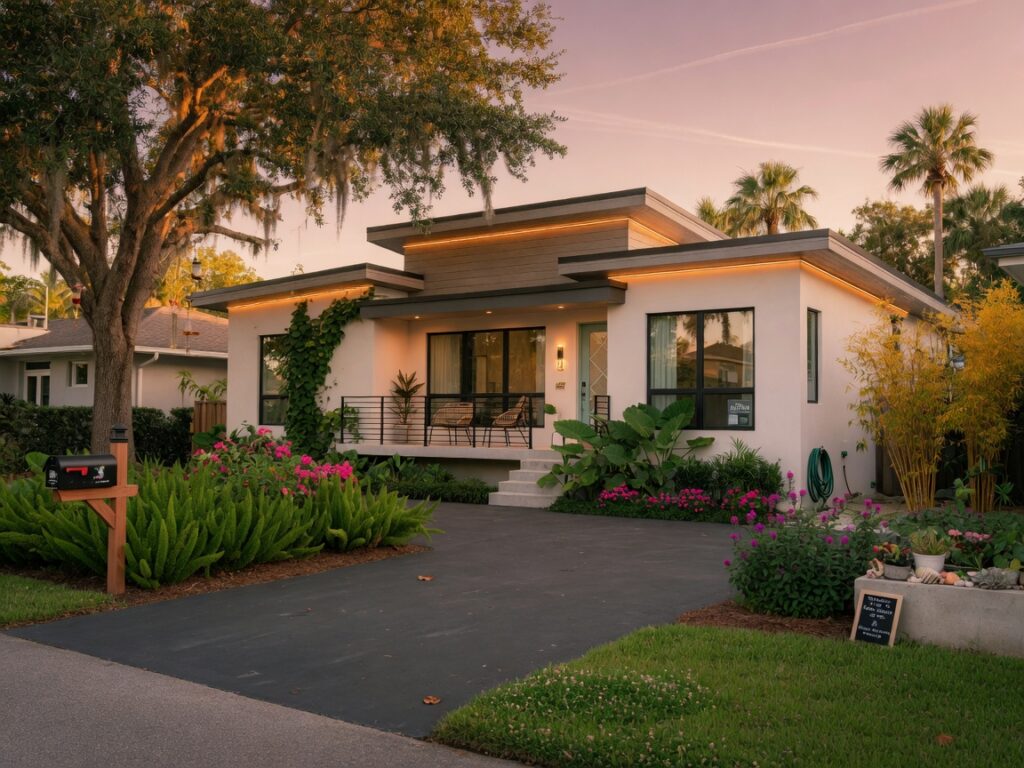
Image Grid 1
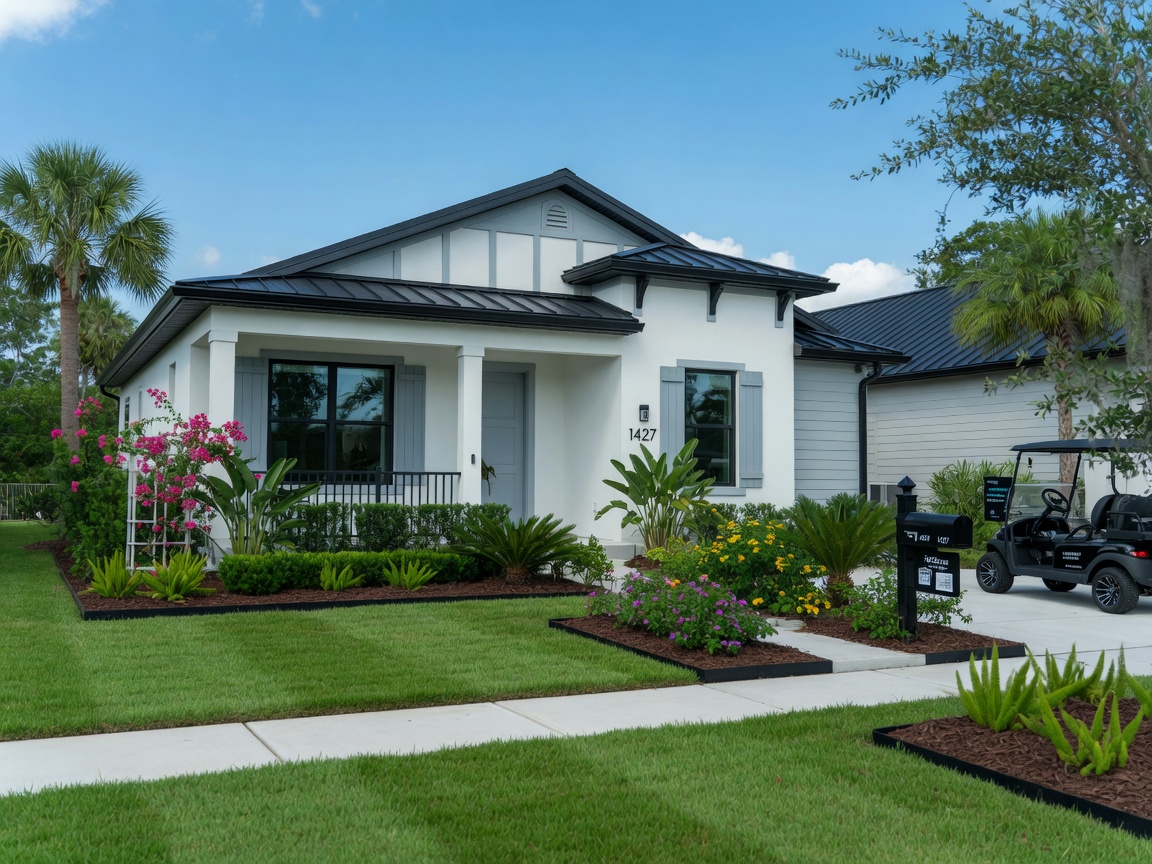
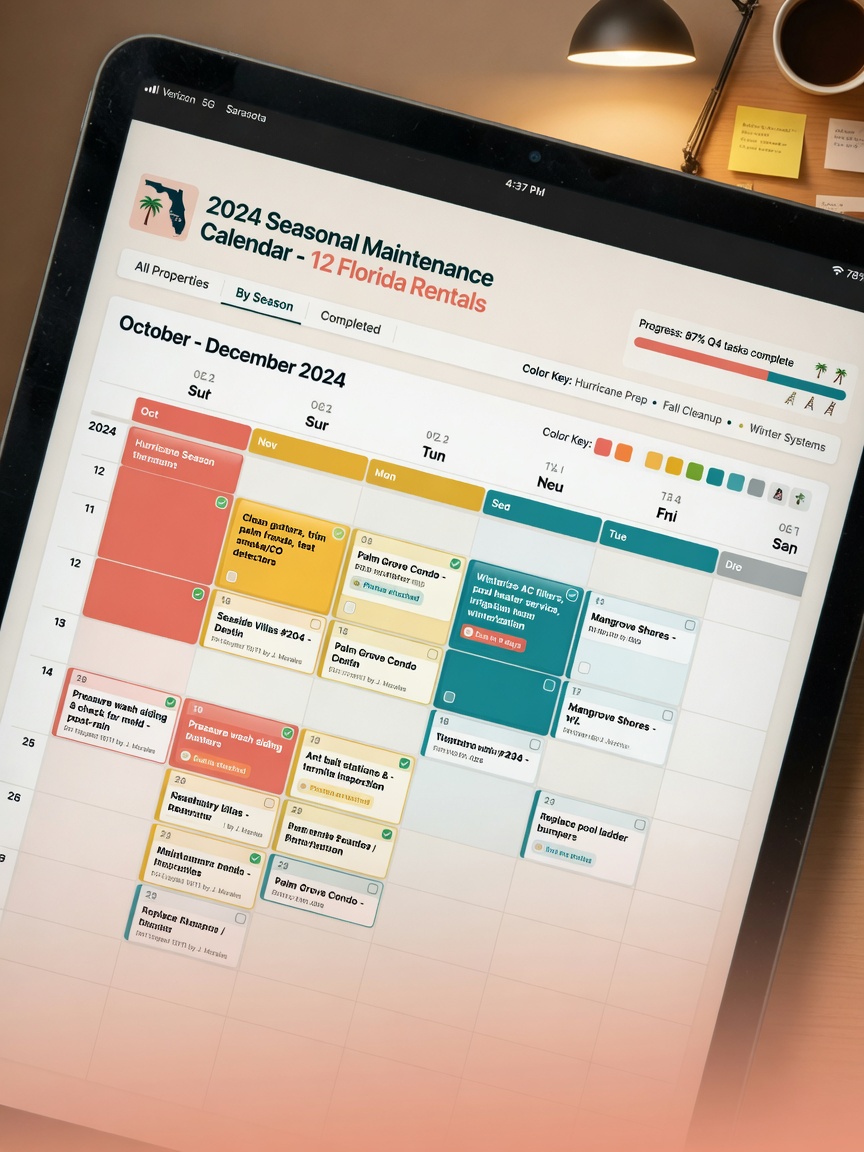
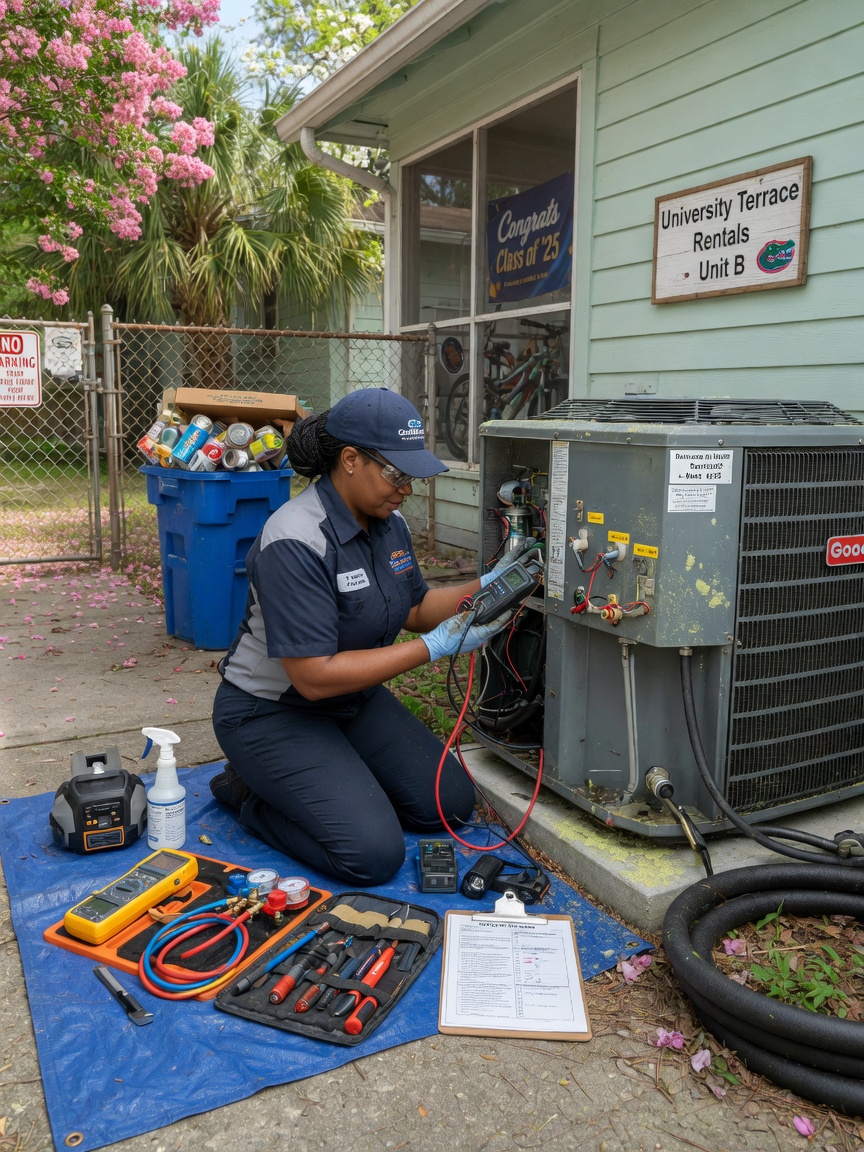
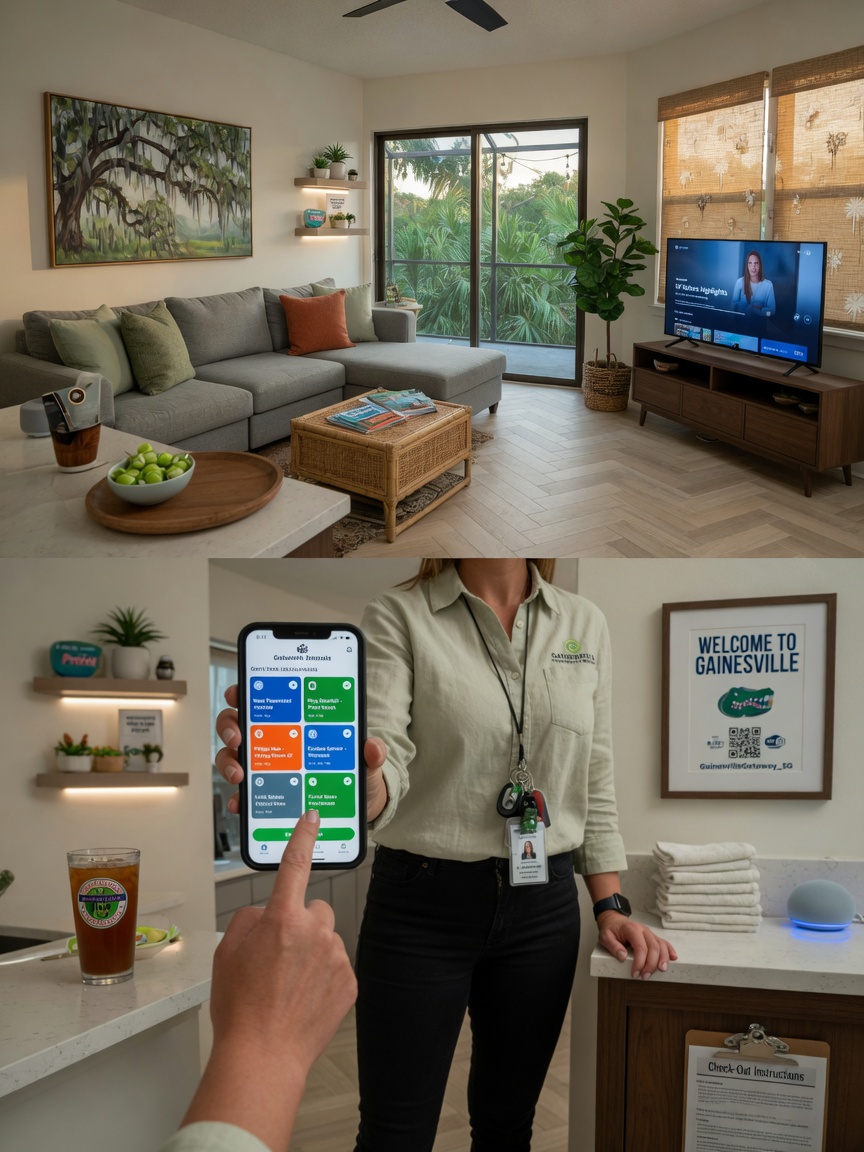
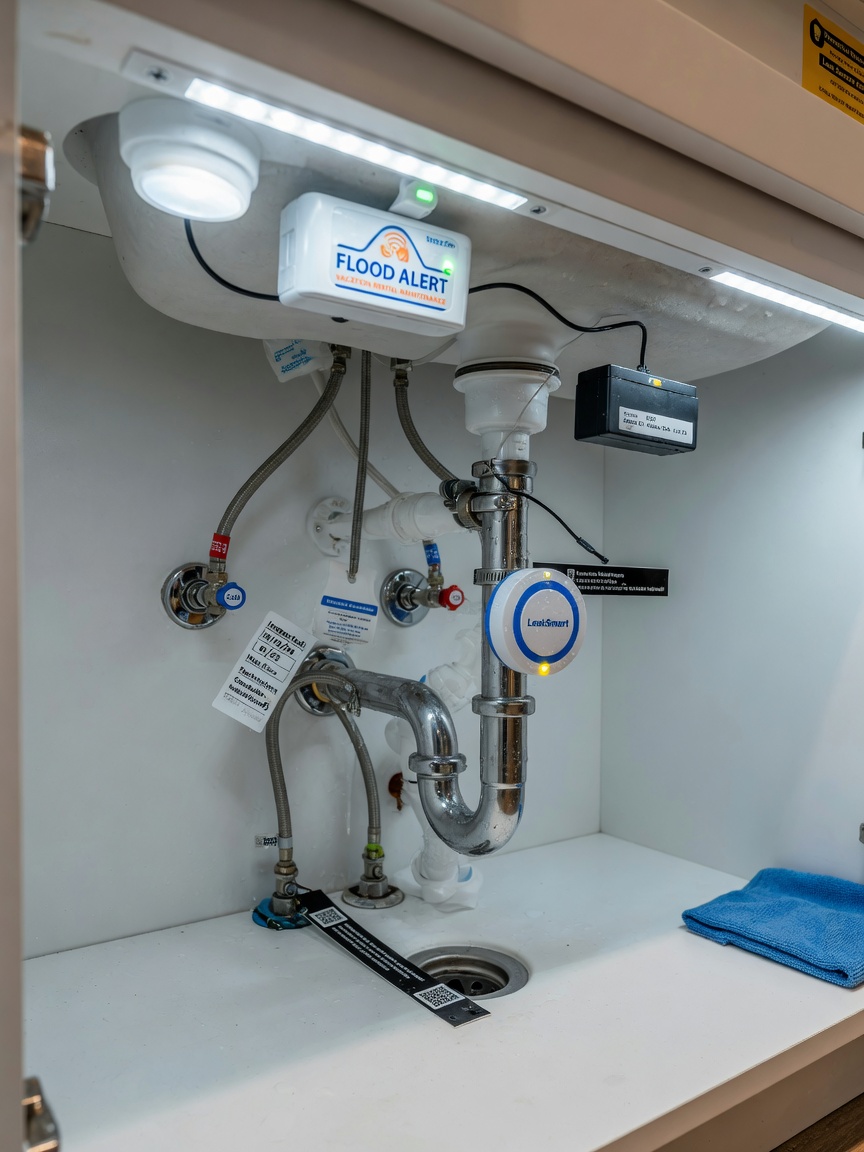

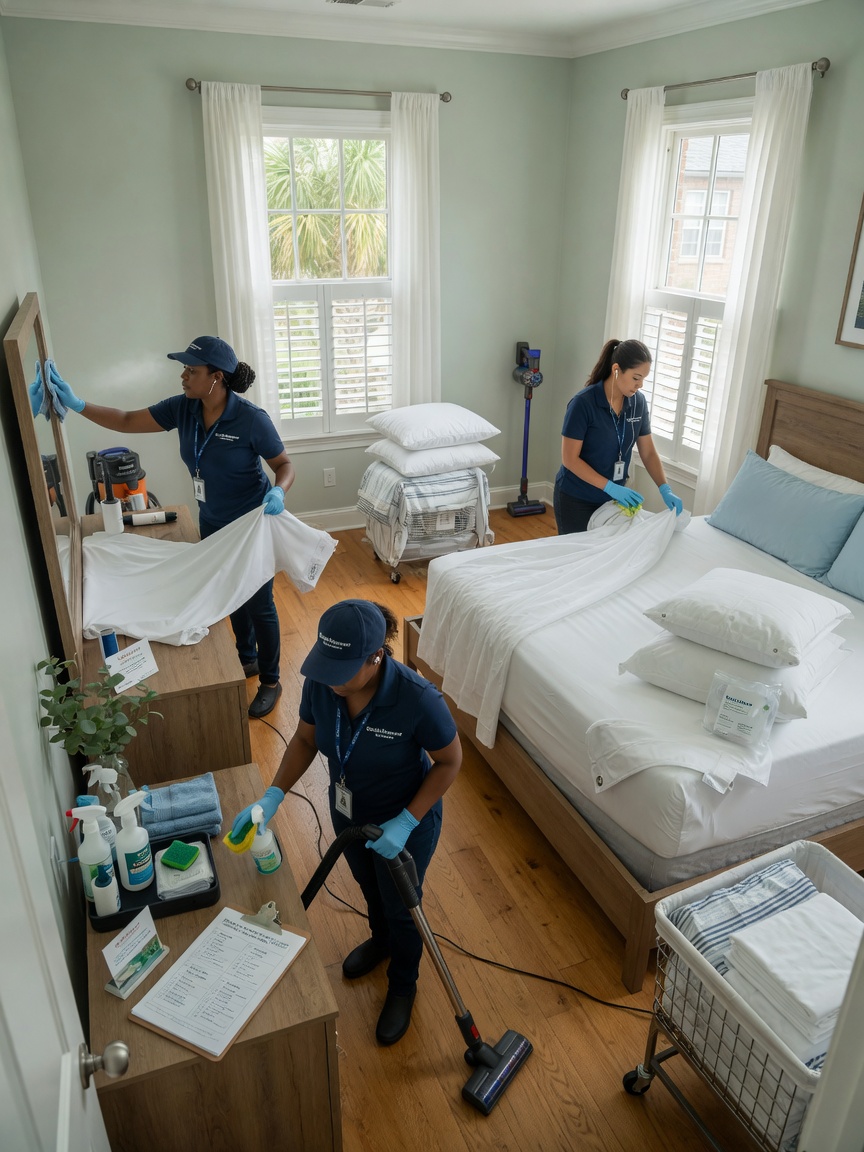
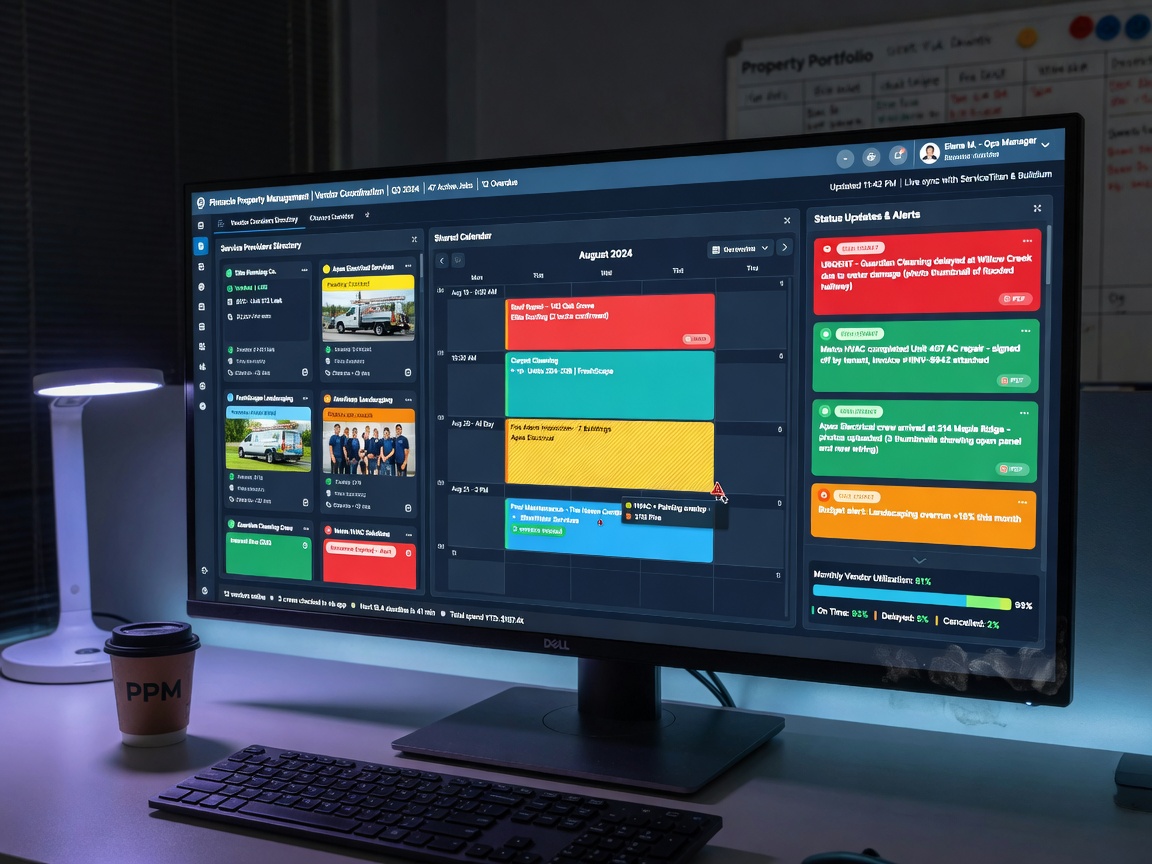
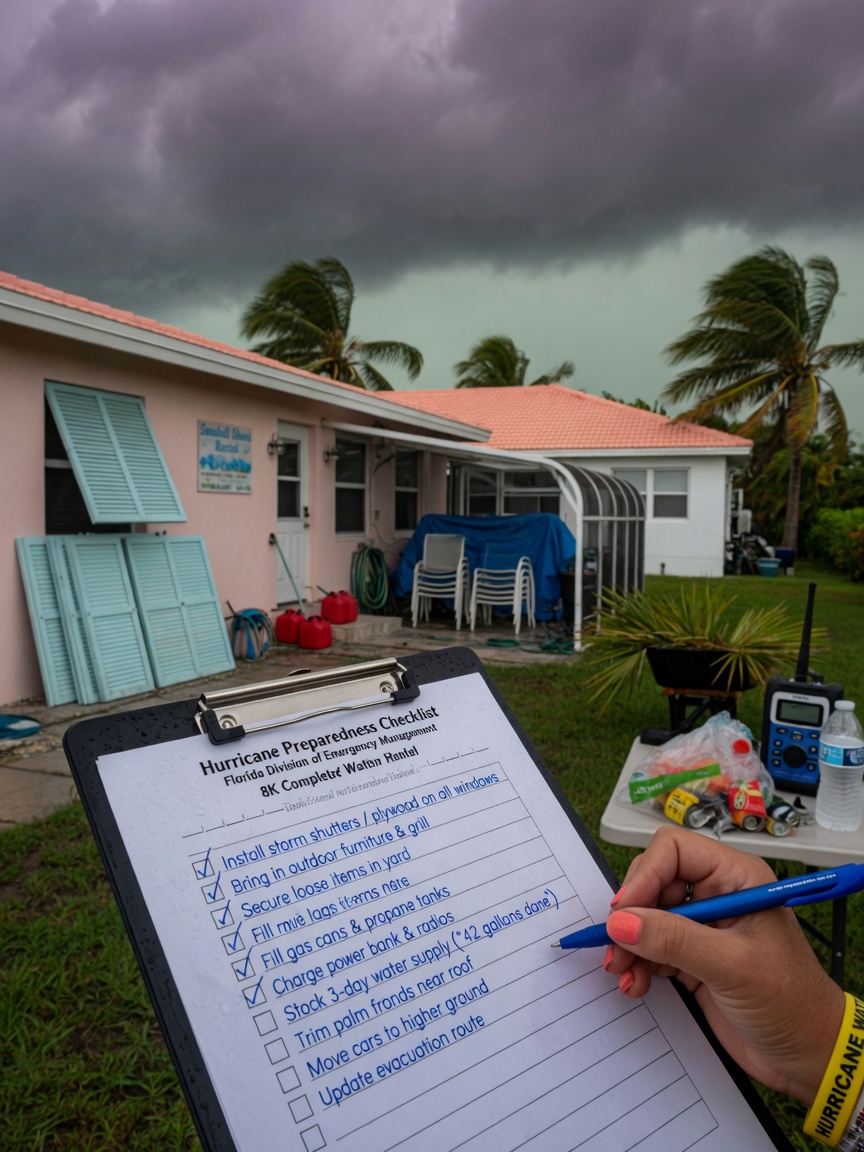
Effective maintenance scheduling improves guest experience, extends the lifespan of major systems, reduces operational costs, and strengthens your property’s reputation on platforms like Airbnb and VRBO.
Understanding Gainesville’s Seasonal Maintenance Needs
Gainesville experiences distinct seasons that directly impact property maintenance requirements. Creating a seasonal maintenance calendar ensures nothing falls through the cracks.
Spring Maintenance (March – May)
- Deep cleaning of all surfaces after winter
- HVAC filter replacement and system inspection
- Pressure washing of exterior surfaces
- Landscaping refresh and mulching
- Pool maintenance and chemical balancing (where applicable)
- Gutter cleaning and downspout inspection
Summer Maintenance (June – August)
- Weekly lawn care and vegetation control
- Bi-weekly HVAC filter changes due to high pollen and dust
- Monitoring for mold and mildew growth
- Storm preparedness checks before hurricane season
- Refrigerator and appliance coil cleaning
- Window and sliding door track maintenance
Fall Maintenance (September – November)
- Tree trimming before storm season
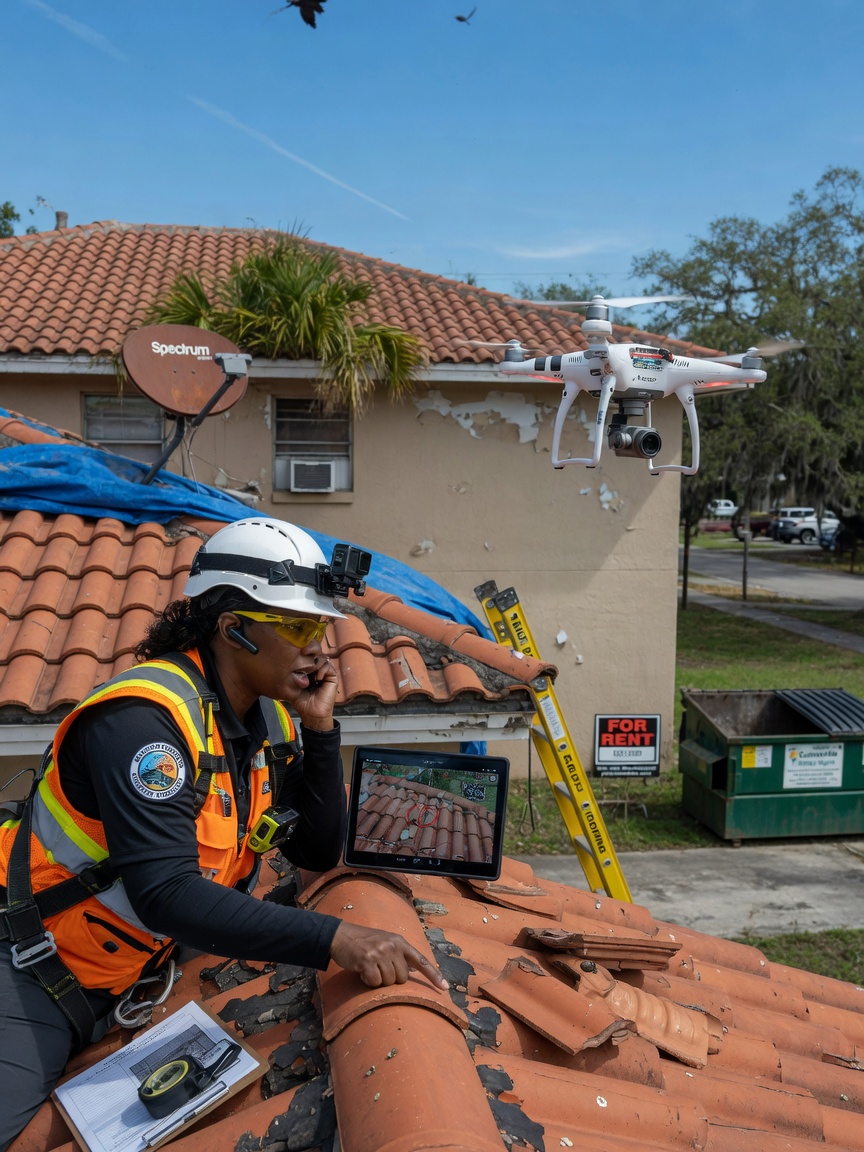
- Roof inspection for storm damage
- Sealing windows and doors for cooler weather
- Smoke and carbon monoxide detector testing
- Draining and winterizing outdoor faucets
- Preparing heating systems for cooler nights
Winter Maintenance (December – February)
- Monitoring for freeze protection
- Indoor air quality assessments
- Checking insulation and weatherstripping
- Fireplace and chimney inspections (if applicable)
- Regular pest control treatments
- Annual professional HVAC servicing
Creating an Effective Year-Round Maintenance Calendar
A successful maintenance scheduling system combines seasonal tasks with recurring intervals. Consider implementing a 52-week rolling calendar that incorporates both preventive maintenance and guest-turnover deep cleans.
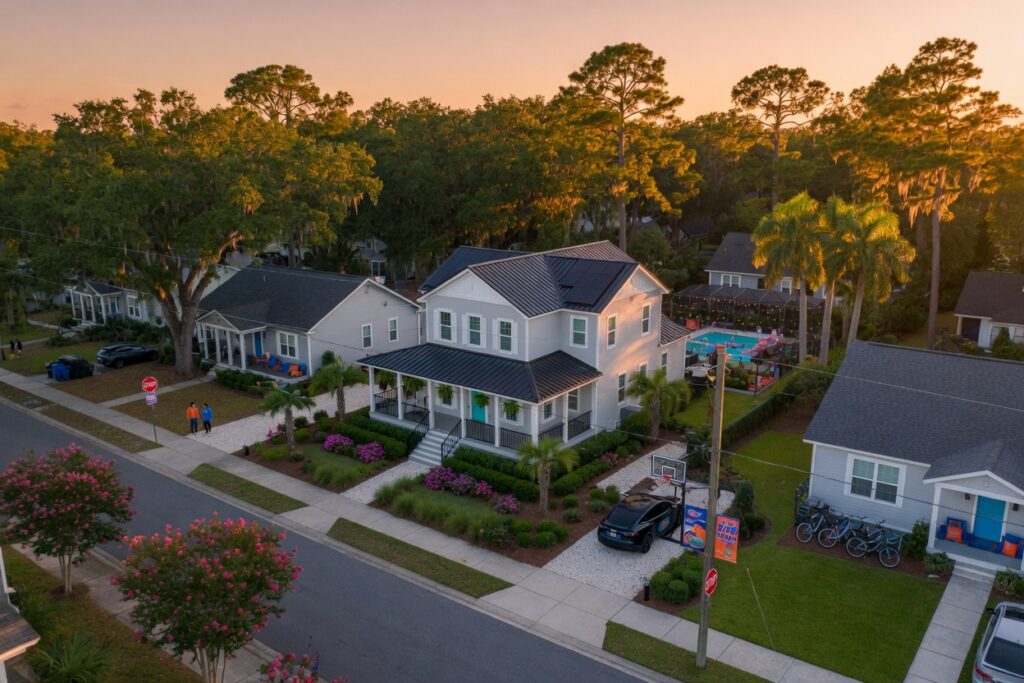
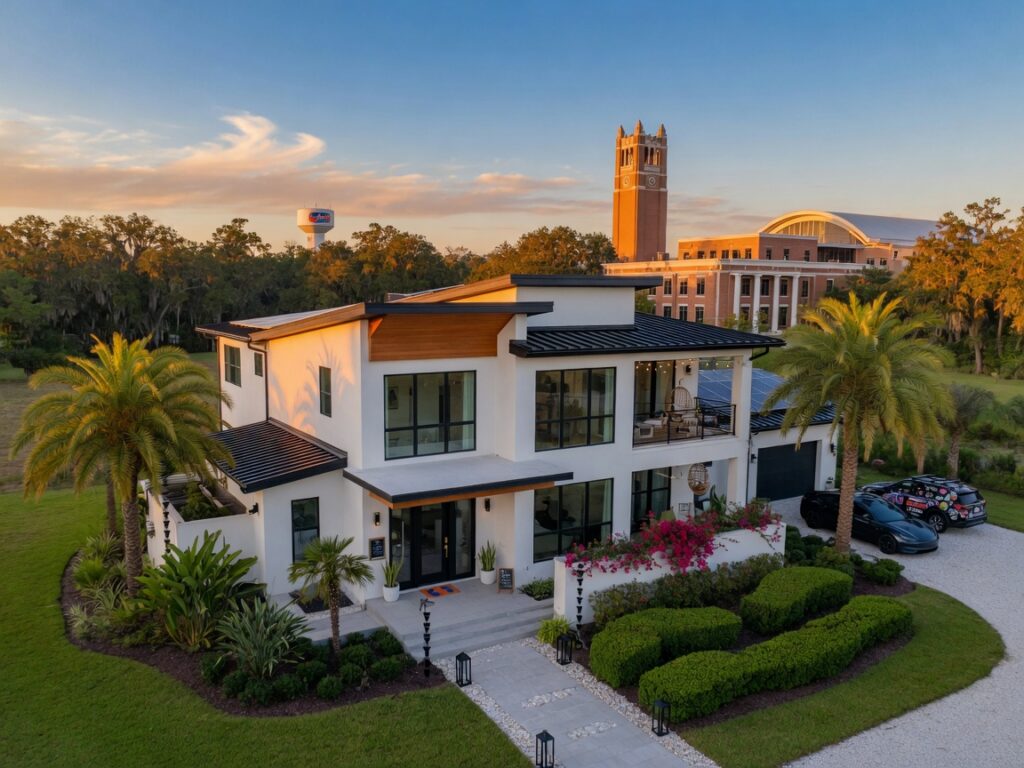
Image Grid 2
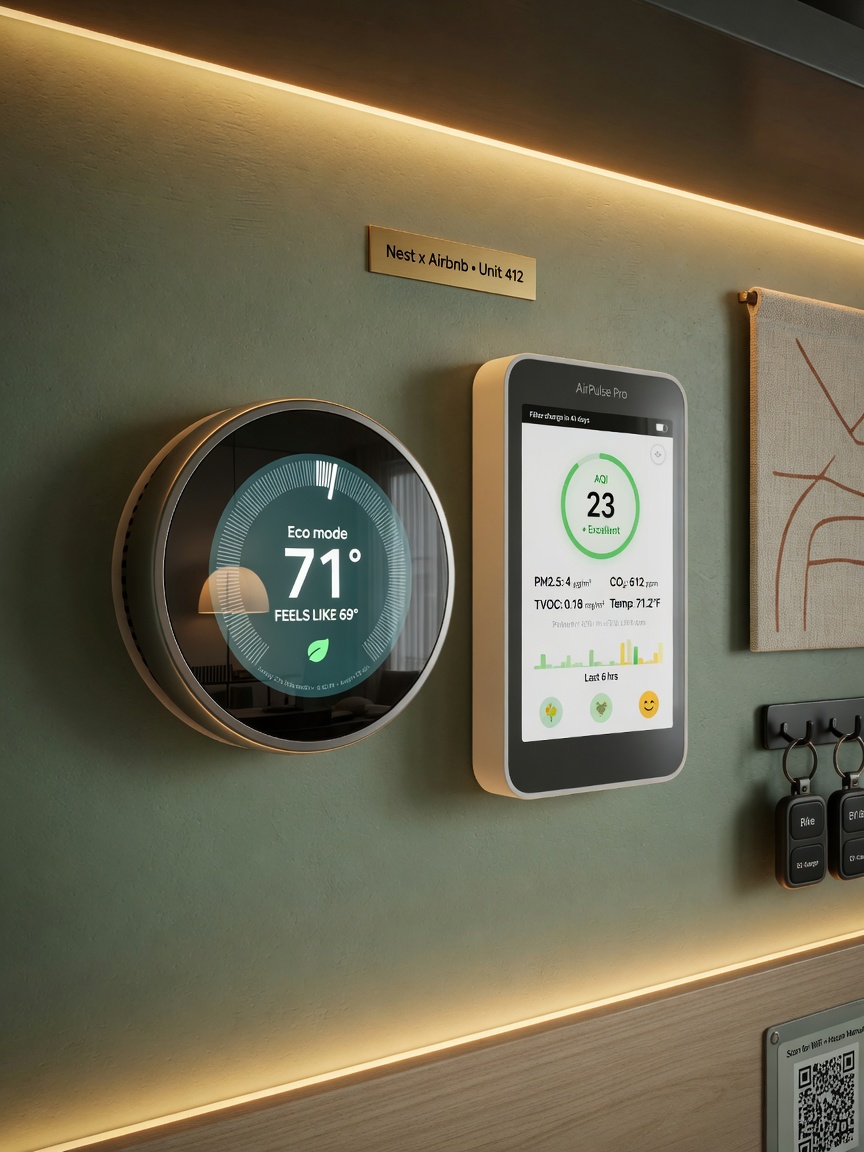


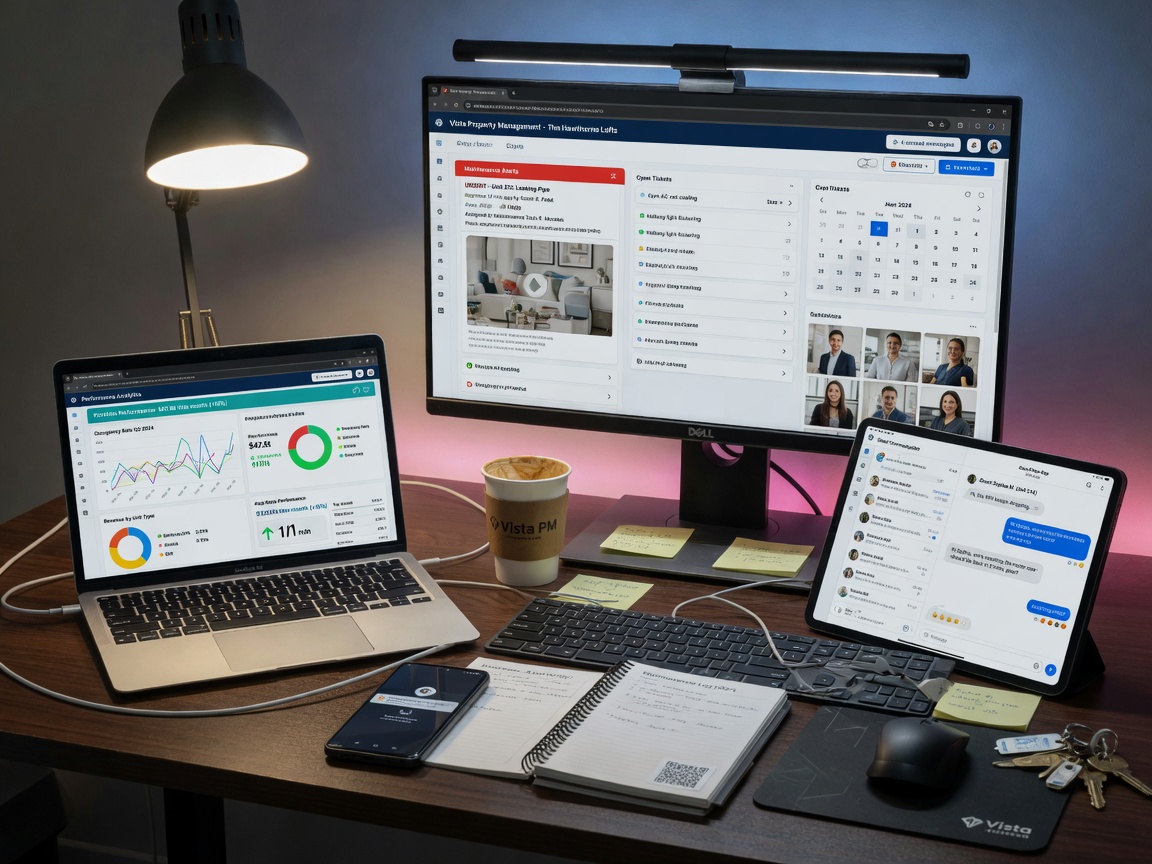

Use digital tools like Google Calendar, Trello, or specialized property management software with automated reminders. Color-code tasks by urgency and assign responsible parties—whether in-house staff, contractors, or vendors.
Weekly, Monthly, and Quarterly Tasks
Weekly tasks should focus on high-traffic areas and immediate guest experience factors such as HVAC filter checks, trash bin sanitization, and landscaping touch-ups.
Monthly tasks include testing safety equipment, inspecting plumbing fixtures for leaks, and performing minor repairs before they become major issues.
Quarterly tasks typically require professional service providers and include thorough HVAC servicing, pest control, and comprehensive property inspections.
Building a Reliable Vendor Coordination System
Effective vendor management is crucial for efficient maintenance scheduling in Gainesville rentals. A well-organized system ensures quick response times and consistent service quality.
Creating Your Preferred Vendor Network
Develop relationships with local Gainesville professionals who understand short-term rental priorities:
- HVAC technicians familiar with high-usage systems
- Licensed plumbers experienced with vacation rental properties
- Professional cleaners trained in turnover protocols
- Landscapers who understand guest-first curb appeal
- Handymen skilled in rapid minor repairs
- Pool service companies (seasonal)
- Roofing and exterior maintenance specialists
Vendor Management Best Practices
Implement a centralized vendor database containing contact information, service history, pricing, response time averages, and insurance verification. Create standardized work orders that clearly communicate expectations and include property-specific details.
Establish service level agreements (SLAs) with key vendors, particularly for emergency response. For Gainesville properties, aim for 2-hour emergency response during peak season and 24-hour response for non-emergencies.
Smart Monitoring Setups for Proactive Maintenance
Modern technology has transformed maintenance scheduling from reactive to proactive. Smart monitoring systems can detect issues before they impact guests or cause significant damage.
Essential Smart Devices for Rental Properties
- Smart water leak detectors placed near appliances and bathrooms
- Indoor air quality monitors tracking humidity and VOC levels
- Smart thermostats with usage analytics and remote control
- WiFi-enabled smoke and carbon monoxide detectors
- Door and window sensors for security and energy efficiency
- Smart irrigation controllers that adjust based on weather
Integrating Monitoring Systems
Choose platforms that integrate with your existing property management software. Systems like Property Management Gainesville can help coordinate these technologies into your overall maintenance workflow.
Set up automated alerts that notify you of unusual patterns—such as prolonged high humidity that could lead to mold, or sudden temperature drops indicating HVAC failure.
Creating Standard Operating Procedures (SOPs) for Maintenance
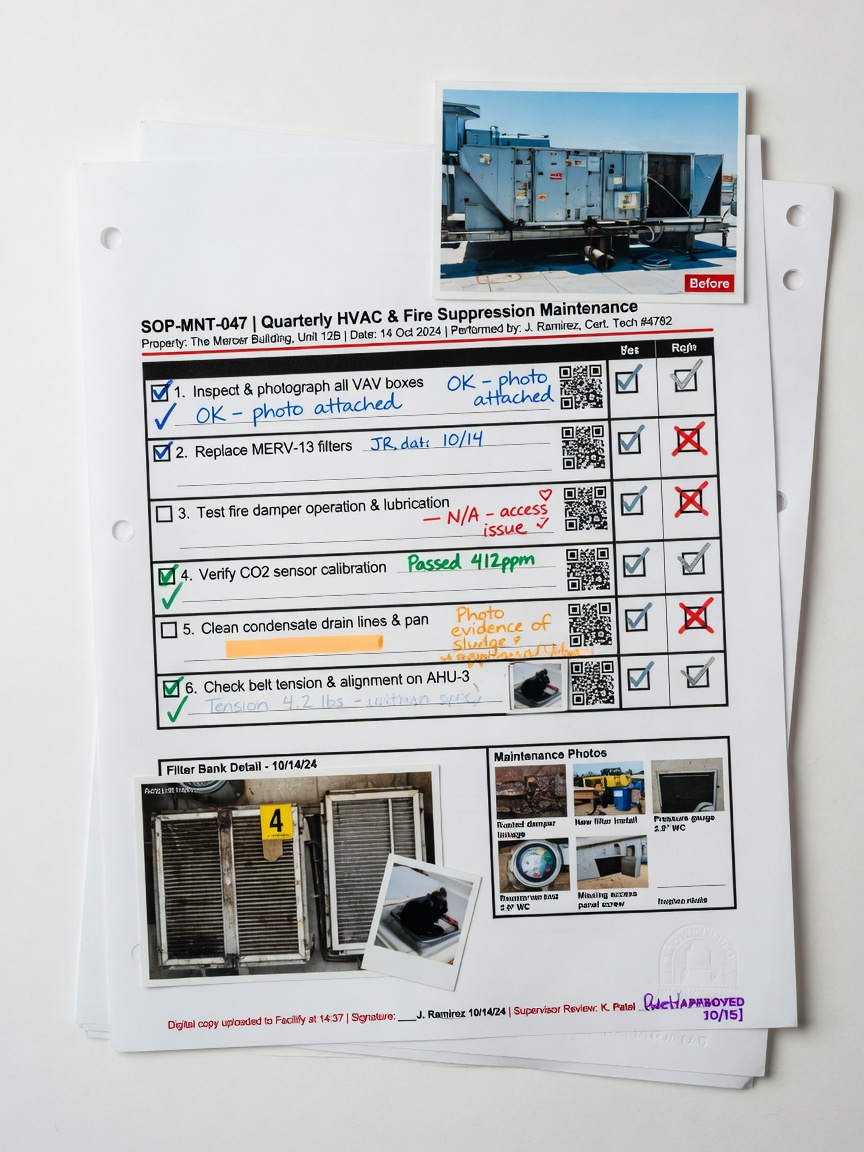
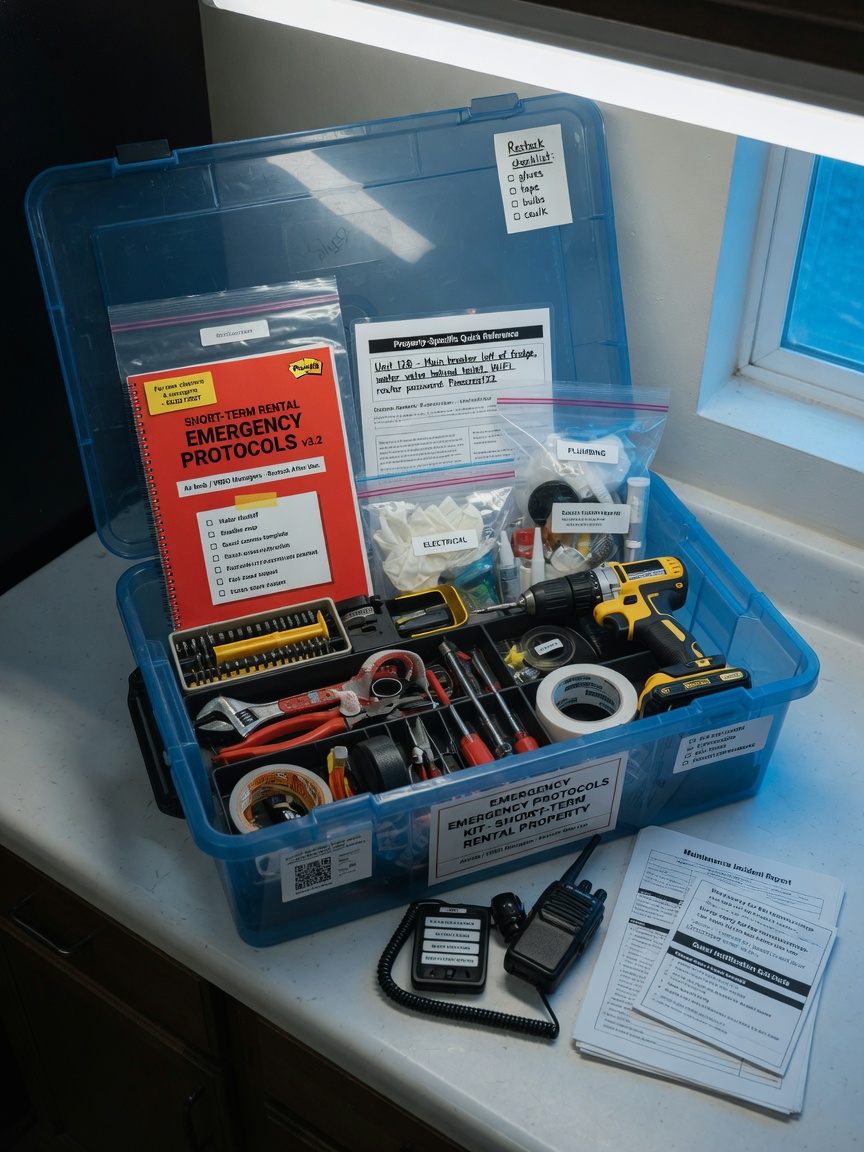
Documented procedures ensure consistency regardless of who performs the maintenance. Your SOPs should cover everything from routine guest turnover cleaning to emergency protocols.
Include detailed checklists, required tools and supplies, quality standards, documentation requirements, and escalation procedures. Review and update these documents annually to incorporate new technologies and best practices.
Budgeting for Maintenance in Short-Term Rentals
Establish a maintenance reserve of 8-12% of gross revenue for Gainesville properties. This percentage accounts for the higher wear and tear associated with frequent guest turnover compared to long-term rentals.
Track maintenance costs by category to identify trends and potential issues. Major systems like HVAC, roofing, and appliances should have dedicated replacement funds based on expected lifespan and usage intensity.
Compliance and Documentation Best Practices
Maintain detailed records of all maintenance activities, inspections, and repairs. These records protect you during insurance claims, regulatory reviews, and potential legal proceedings.
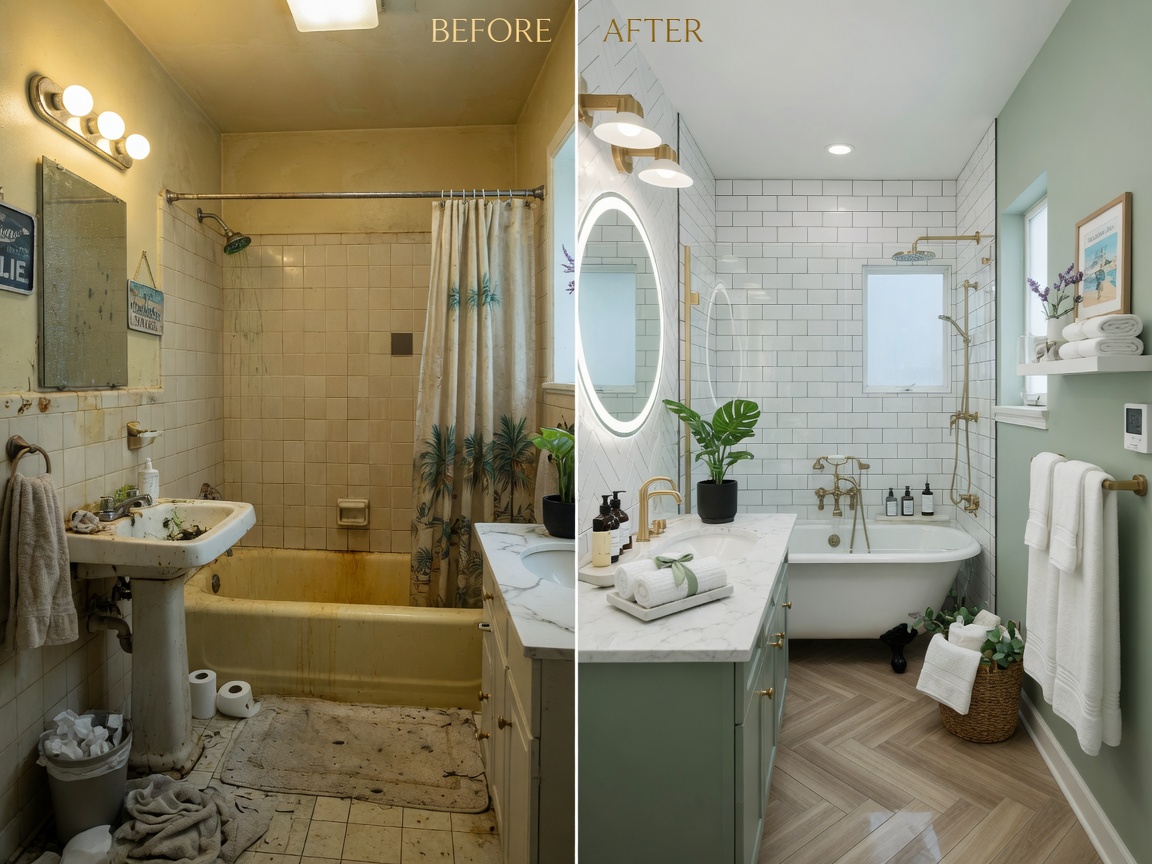
Document before-and-after photos, service dates, vendor information, costs, and guest communications related to maintenance issues. Digital documentation systems make this process efficient and searchable.
Measuring Success: KPIs for Your Maintenance Program
Track key performance indicators to evaluate your maintenance scheduling effectiveness:
- Guest review scores related to property condition
- Maintenance cost per booking
- Response time to maintenance requests
- Emergency repair frequency
- System lifespan compared to industry averages
- Preventive vs. reactive maintenance ratio
Conclusion: Building a Sustainable Maintenance System
Effective maintenance scheduling is an investment that pays dividends through higher occupancy rates, premium pricing power, glowing guest reviews, and reduced stress for property owners and managers. By implementing seasonal calendars, professional vendor coordination systems, and smart monitoring technology, Gainesville rental operators can stay ahead of maintenance challenges in a demanding short-term rental environment.
Begin by auditing your current processes against the recommendations in this guide. Develop your seasonal calendar, document your procedures, and gradually integrate smart technology where it provides the greatest return. The properties that thrive long-term are those that treat maintenance as a core operational priority rather than an afterthought.
Ready to optimize your Gainesville rental maintenance operations? Visit Property Management Gainesville for local expertise and support tailored to our unique market.