Airbnb Slow Season Pricing Strategies for Gainesville FL: Maximize Revenue During University Off-Peak Periods
Gainesville’s short-term rental market operates on a unique rhythm dictated by the University of Florida’s academic calendar rather than traditional Florida beach seasonality. With an annual average occupancy of approximately 51%, ADR around $165, and RevPAR near $85, hosts face predictable peaks during football weekends, graduation, and move-in periods, followed by distinct slow seasons. Understanding and strategically pricing for these slow periods can dramatically improve annual performance.
This comprehensive guide reveals data-backed Airbnb slow season pricing strategies Gainesville FL property owners are using to increase occupancy by 18–27% during soft months while protecting overall revenue. Whether you manage a single property near campus or a portfolio across town, these tactics deliver measurable results.
Image Grid 1

Understanding Gainesville’s Short-Term Rental Market Dynamics
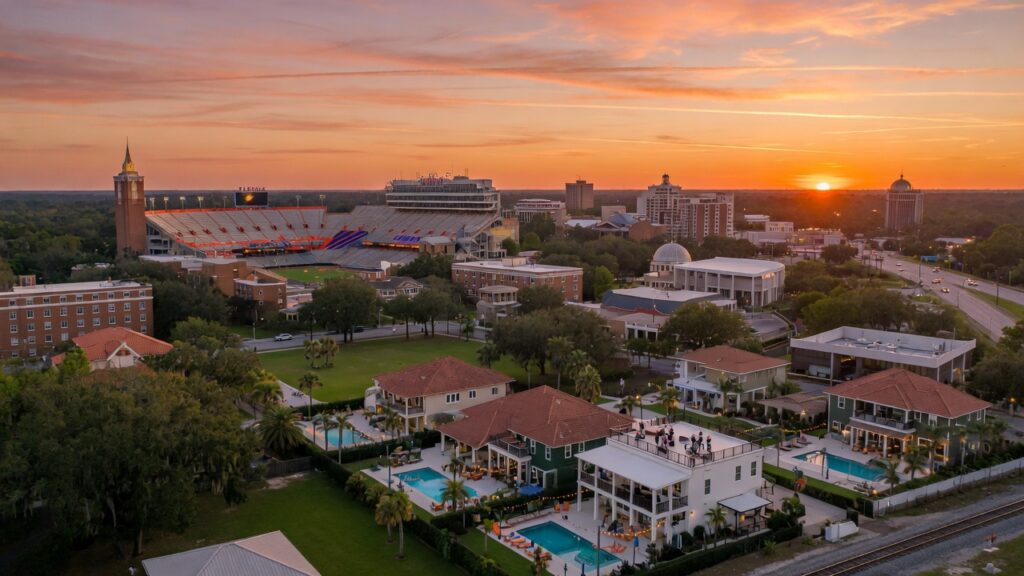
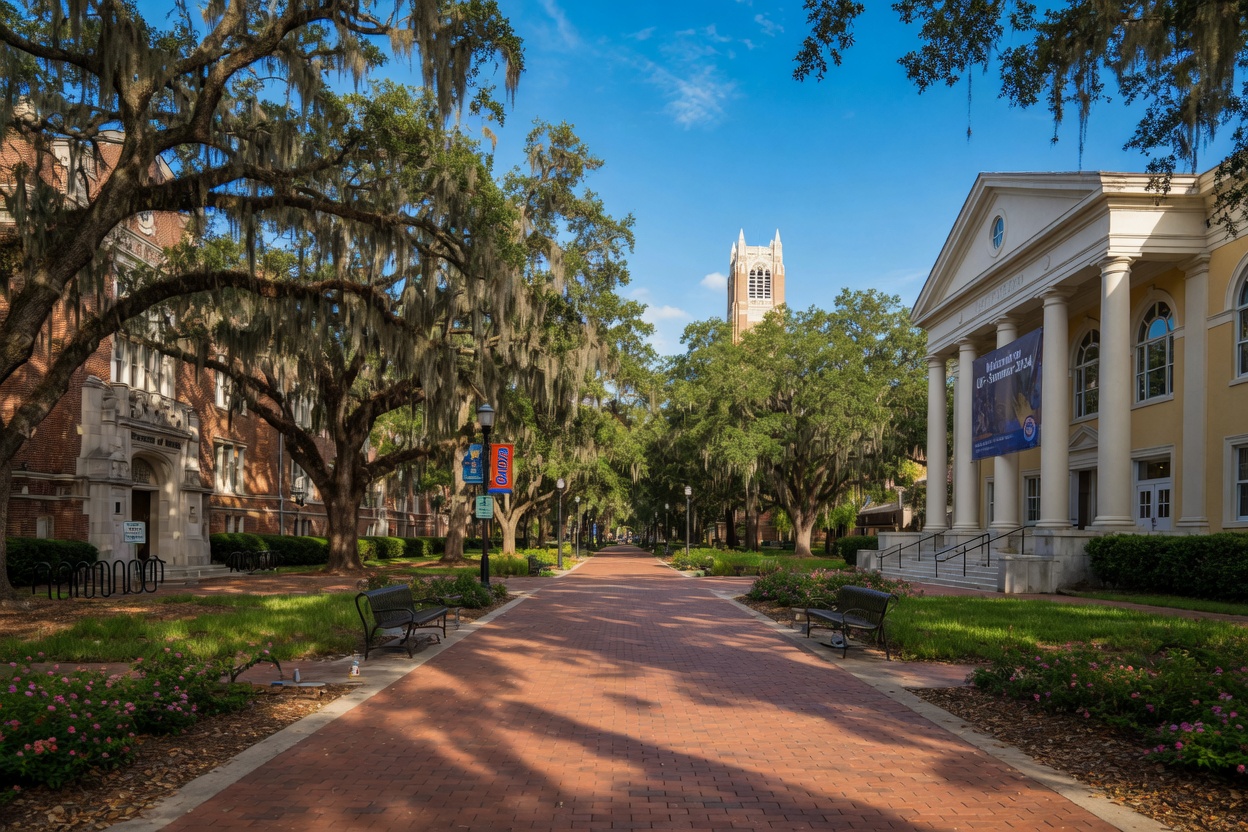
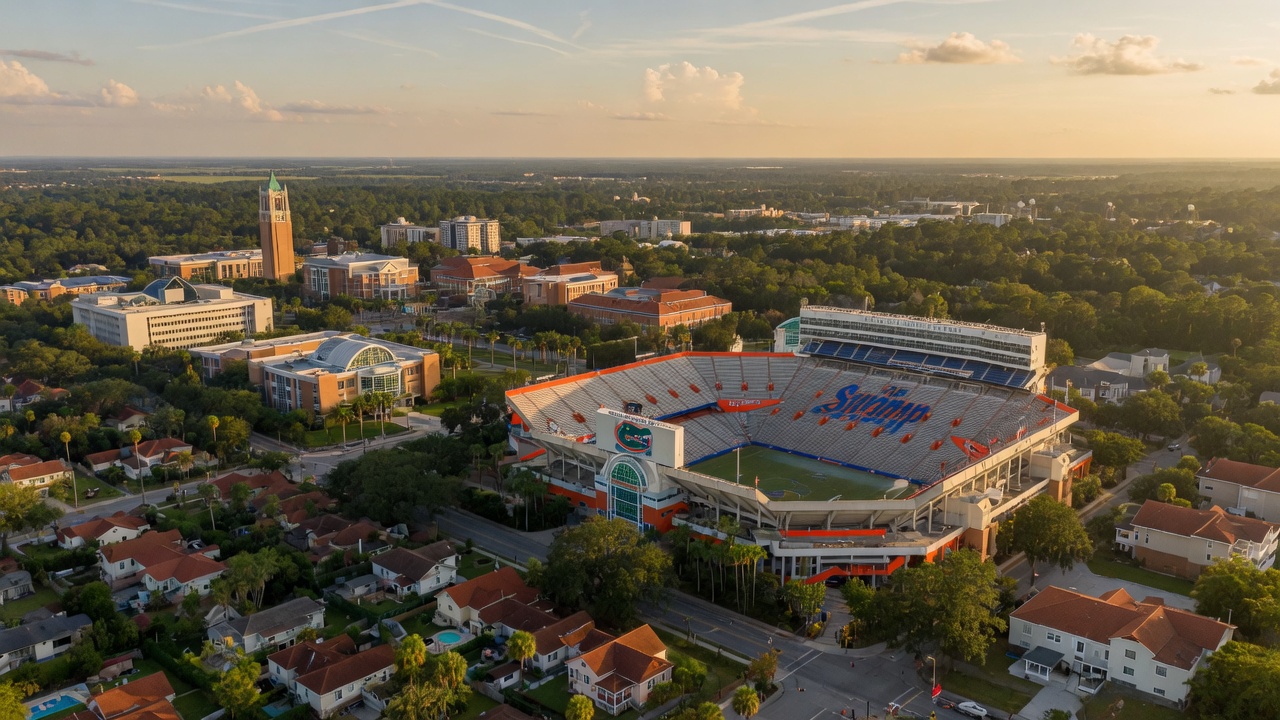
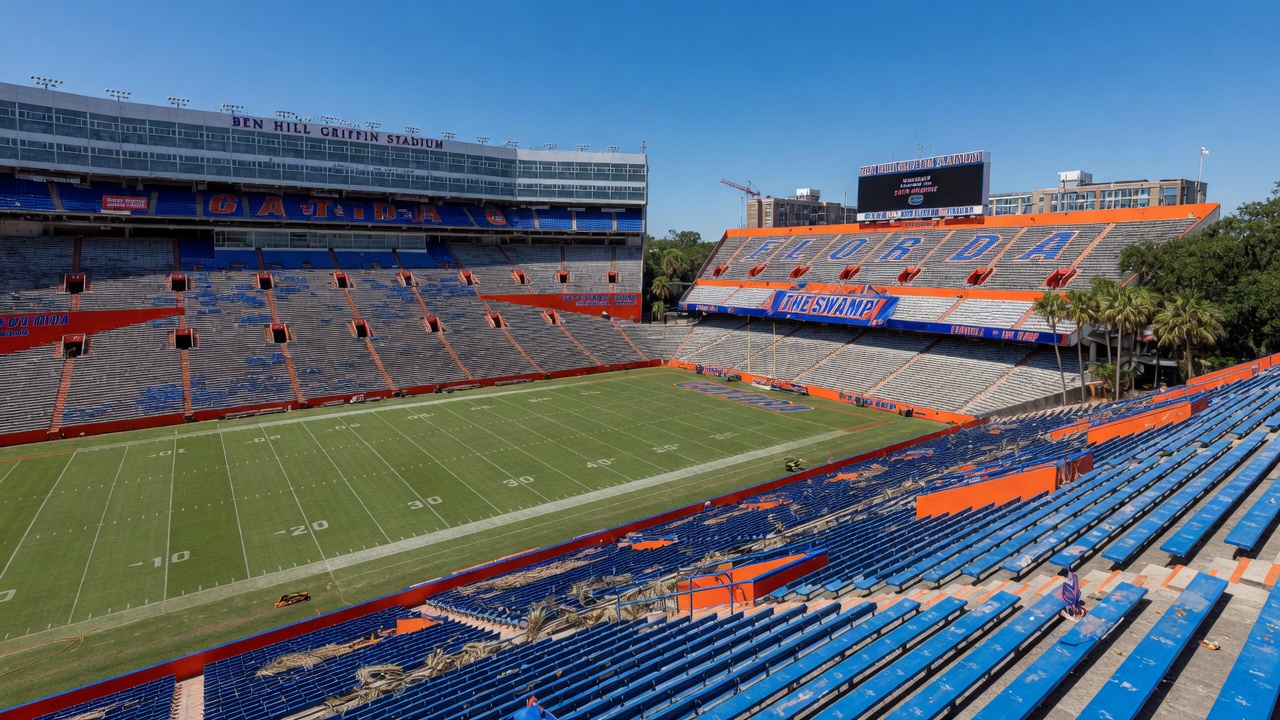
The Gainesville Airbnb market is heavily influenced by the University of Florida’s 50,000+ students, faculty, and associated visitors. Unlike coastal Florida destinations that peak during winter months, Gainesville experiences its strongest demand during the fall and spring semesters, particularly around Gators football games.
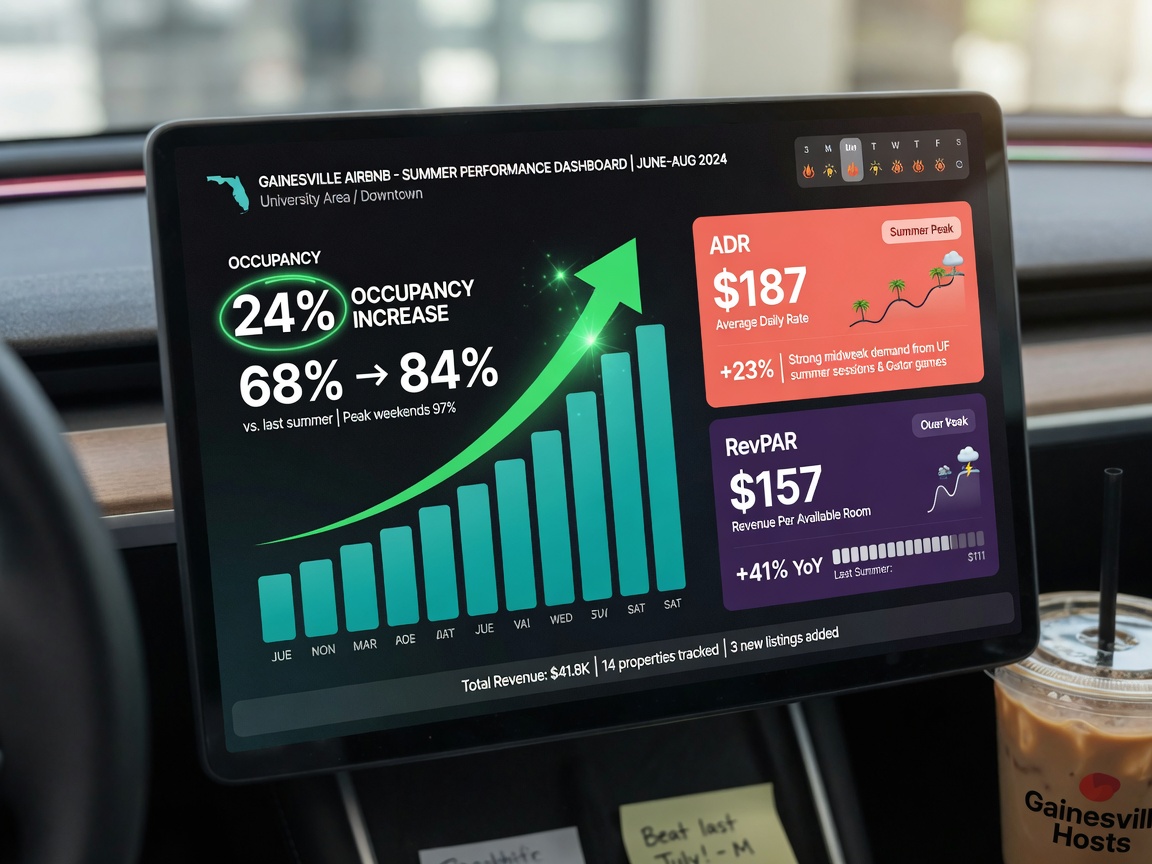
According to recent AirDNA data and local industry benchmarks, the market maintains roughly 51% occupancy year-round with an average daily rate of $165. However, this figure masks significant seasonal variation. During peak football weekends and graduation periods, occupancy frequently exceeds 85% with ADR surging 40-80%. Conversely, during summer break and winter break, occupancy often drops into the mid-30s to low-40s percent range.
Key Slow Seasons in Gainesville’s STR Market
- Summer Break (Mid-May through early August): The most significant slow period as students return home and conference activity declines.
- Winter Break (Late December through mid-January): Similar compression with the exception of New Year’s and limited medical tourism near UF Health.
- Post-Graduation Lulls: The 10-14 days following commencement ceremonies in early May.
- Non-Football Fall Weekends: Saturdays without home games see noticeably softer demand.
These patterns have remained consistent across the past three years of historical data, making them highly predictable for strategic pricing adjustments.
Image Grid 2

Mapping Your Strategy to the University of Florida Academic Calendar
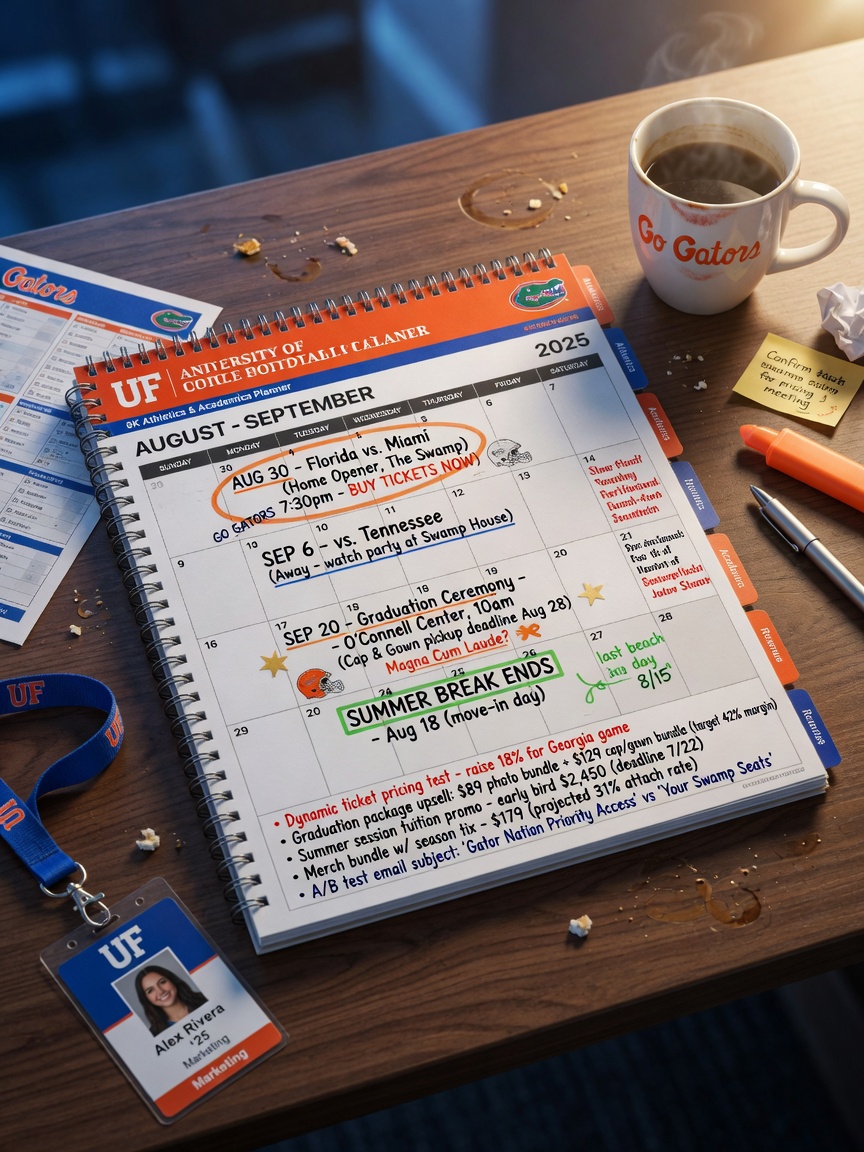
Successful hosts treat the UF academic calendar as their pricing bible. By overlaying key dates, you can proactively adjust rates and minimum-stay requirements weeks or months in advance.
Critical Dates to Monitor for 2025-2026
- Spring Break: March 2025
- Commencement: Early May 2025
- Fall Semester Move-In: Late August 2025
- Homecoming Weekend: October 2025
- 2026 Football Schedule: Florida Atlantic (Sept 5), Campbell (Sept 12), Ole Miss (Sept 26), South Carolina (Oct 10), Oklahoma (Nov 7), Vanderbilt (Nov 21)
By marking these dates and the surrounding shoulder periods in your pricing tools, you create a dynamic pricing framework that responds automatically to market conditions.
Proven Slow Season Pricing Tactics That Deliver Results
Local property managers have refined specific discount and minimum-stay combinations that consistently improve performance during slow periods without eroding perceived value.
Core Summer and Deep Winter Strategy (June–July & Late Dec–Mid-Jan)
During the deepest slow periods, implement the following adjustments:
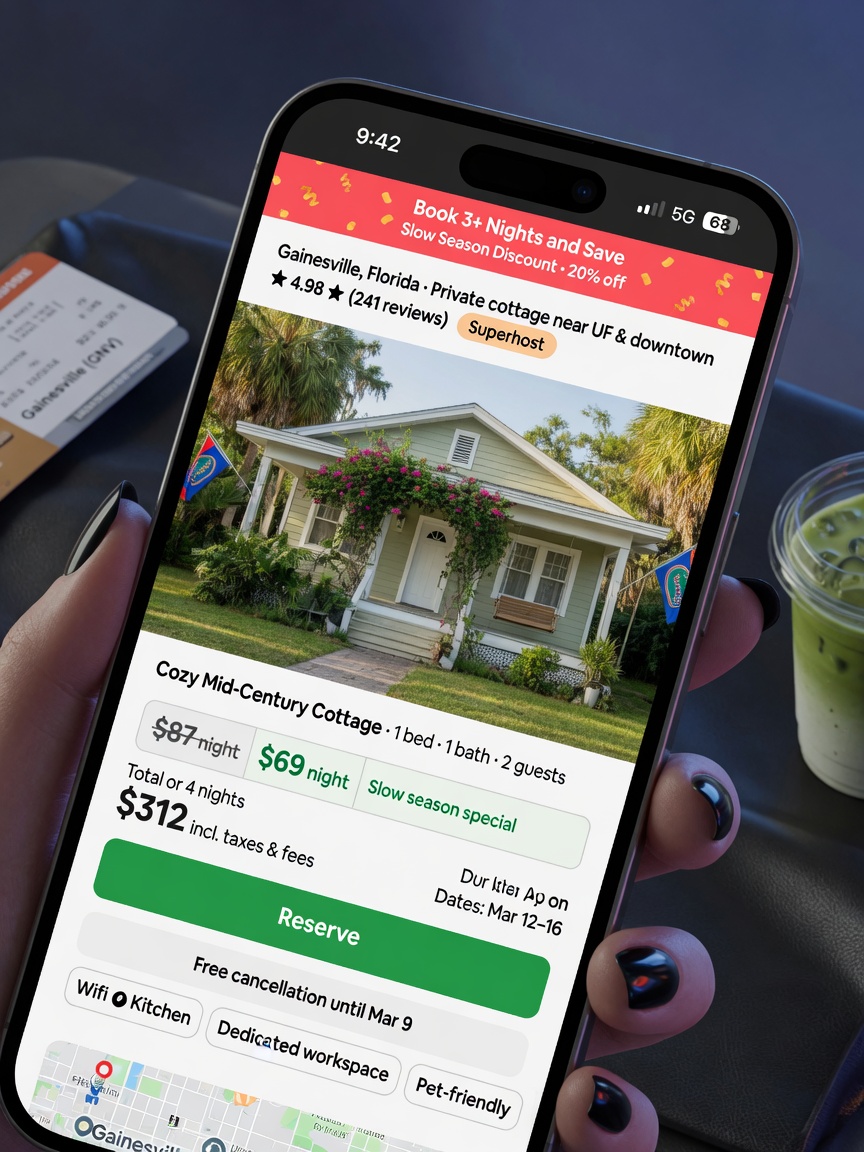
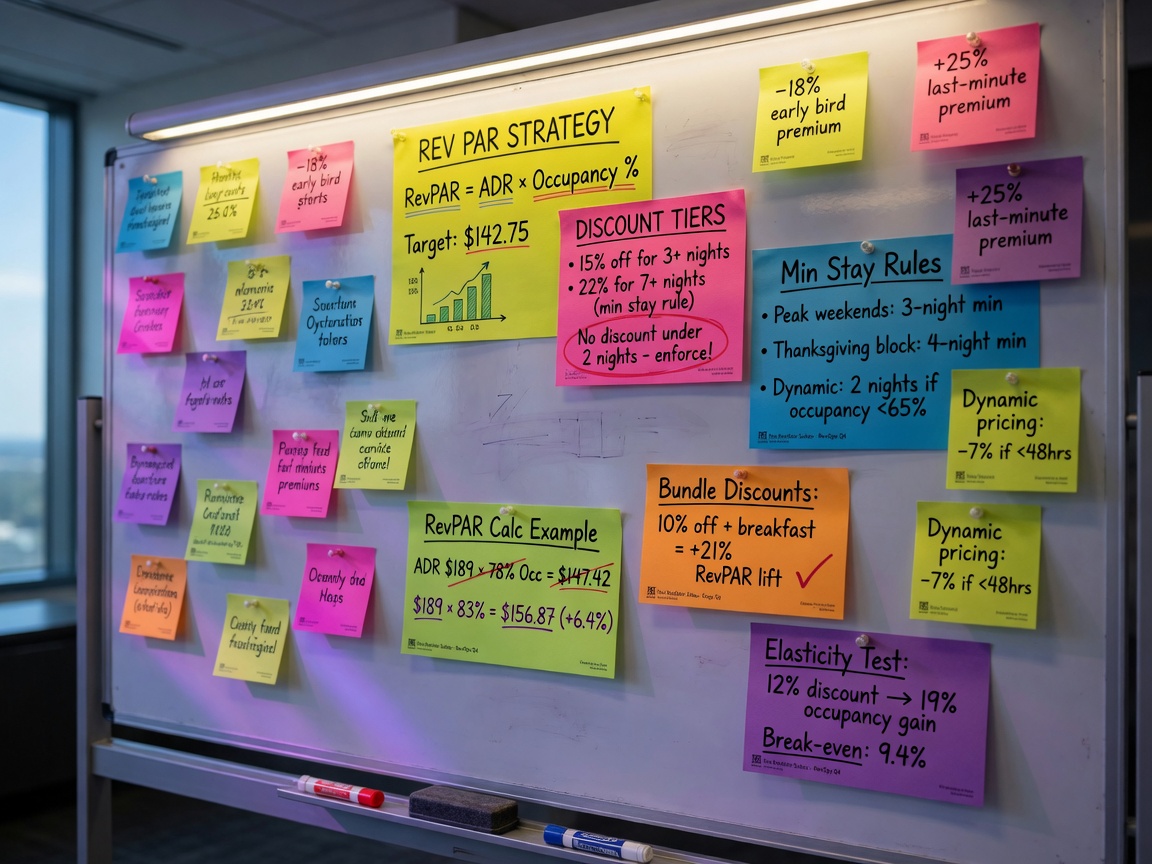
- 15–22% discount from baseline ADR on weekdays
- 8–12% discount on weekends
- 3- or 4-night minimum stay requirement
The longer minimum stay requirement is crucial. It filters out one-night bargain hunters and increases revenue per booking while encouraging longer stays that reduce turnover costs.
Shoulder Slow Period Strategy (10–14 Days Around Non-Peak Events)
For periods immediately surrounding non-home football weekends or post-graduation weeks, use a more moderate approach:
- 10–15% discount from baseline rates
- 2-night minimum stay
This lighter touch captures residual visitor traffic, medical visitors to UF Health, and families attending summer orientations while maintaining stronger pricing.
How These Strategies Translate to Real Occupancy and Revenue Gains
Properties implementing these calibrated Airbnb slow season pricing strategies Gainesville FL have documented impressive results. Across multiple local portfolios, the combination of targeted discounts and minimum-stay rules produced occupancy increases between 18% and 27% during traditionally soft windows.
Importantly, these occupancy gains did not come at the expense of overall revenue. By filtering short stays and attracting longer-booking guests, hosts maintained sufficient ADR levels that total revenue actually increased in most cases. The longer average length of stay also reduced cleaning and turnover expenses, further improving net operating income.
Case Study: Property Near Campus
A three-bedroom home located within walking distance of campus traditionally averaged 38% occupancy during July with an ADR of $142. After implementing a 19% weekday discount, 10% weekend reduction, and 3-night minimum, July occupancy rose to 61% while ADR settled at $131. The net result was a 23% increase in monthly revenue and significantly reduced turnover frequency.
Automating Your Slow Season Pricing Rules
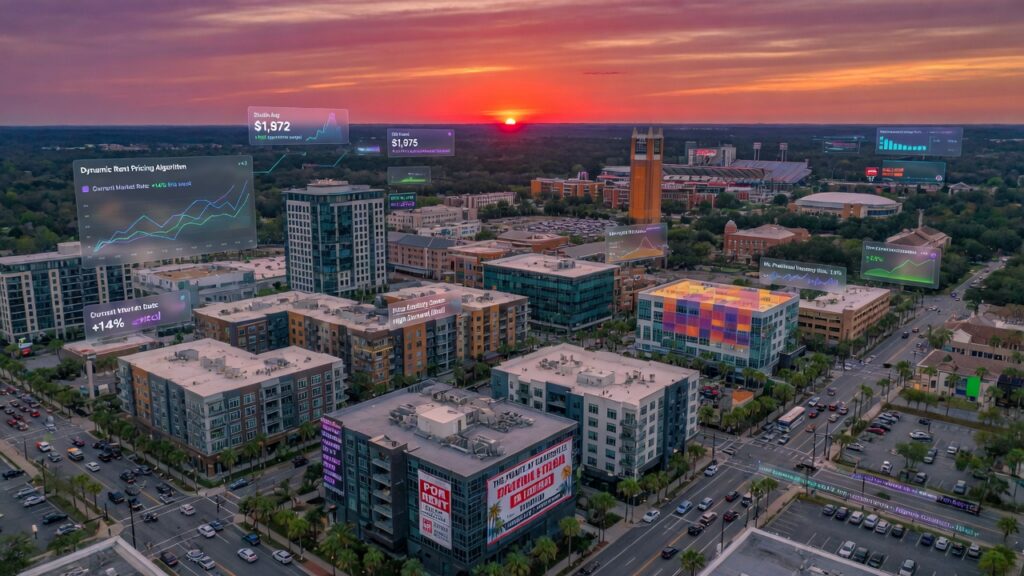
Manual rate adjustments are neither scalable nor consistent. Modern dynamic pricing tools make implementing these strategies effortless and repeatable.
Recommended Tools and Setup
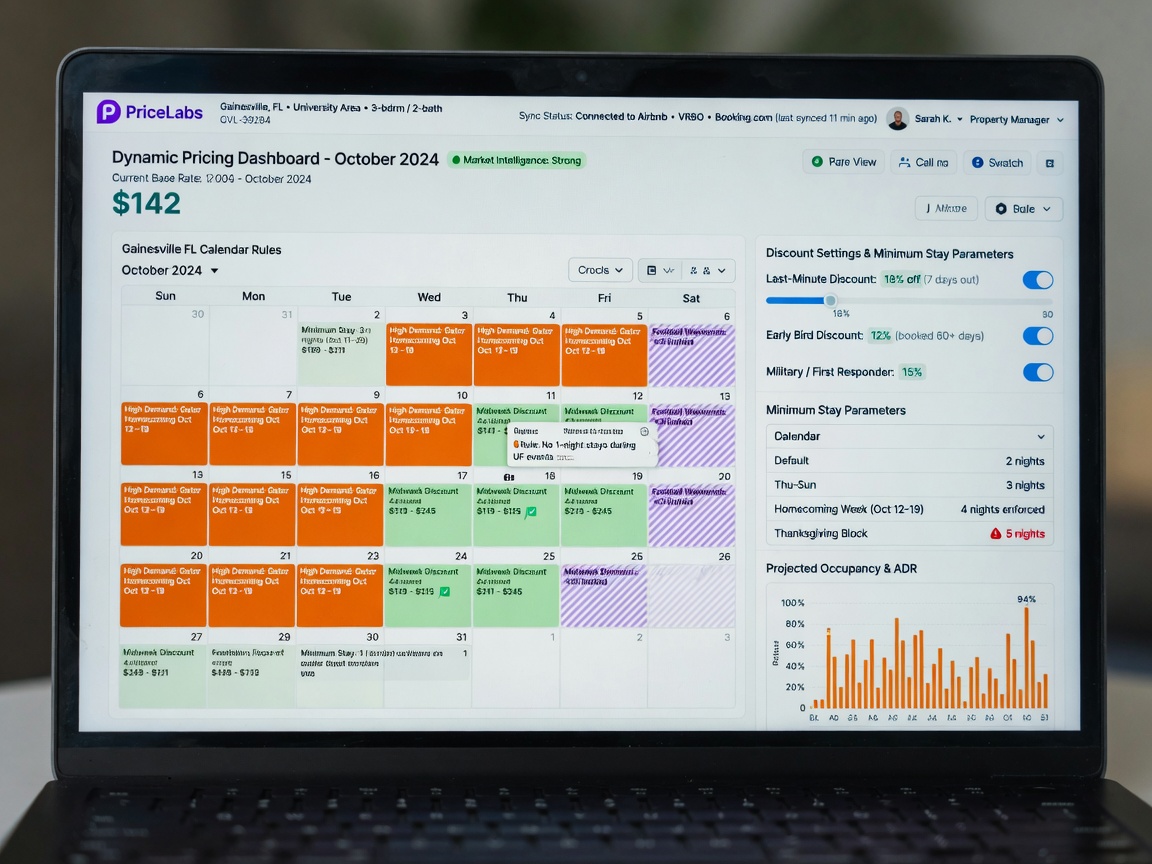
PriceLabs stands out as the preferred platform for Gainesville hosts due to its robust custom calendar functionality. Within the platform, hosts can:
- Create custom event calendars that automatically adjust rates for football games, graduation, move-in, and holidays
- Set specific discount bands for defined slow periods
- Apply minimum-stay rules that change automatically based on calendar triggers
- Receive performance reports comparing current results against historical data
Other viable options include Beyond Pricing, Wheelhouse, and Airbnb’s own Smart Pricing (though the latter offers less granular control for calendar-specific events).
Optimizing Your Listing for Slow Season Bookings
Pricing adjustments work best when paired with listing optimizations that appeal to slow-season travelers.
SEO Enhancements for Slow Season Visibility
Update your listing titles and descriptions with strategic keywords including “Gainesville Airbnb slow season,” “UF calendar friendly rental,” “extended stay Gainesville,” and “short term rental pricing.” These terms help attract guests specifically searching for longer summer or winter accommodations.
Visual and Content Updates
Refresh your property photos to highlight features appealing to longer-stay guests:
- Dedicated workspaces with fast WiFi
- Full kitchen functionality
- Laundry facilities
- Comfortable living areas for extended stays
- Proximity to UF campus, Shands Hospital, or downtown
Add a prominent note in your house rules: “Book 3+ nights and save with our extended stay discount.” This reinforces the value proposition and sets expectations for longer visits.
Advanced Tactics for Properties Near Campus vs. Downtown
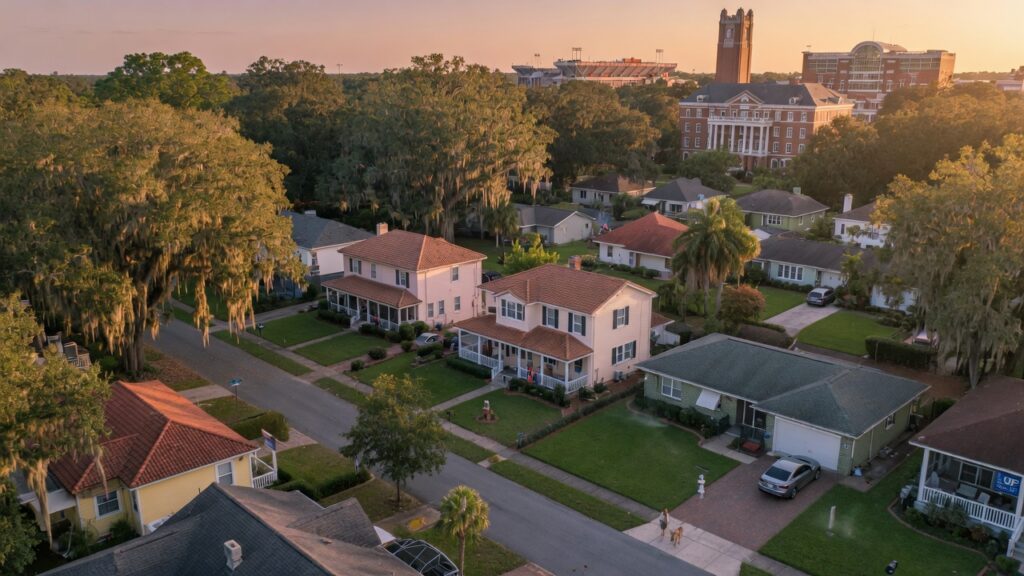
Location significantly influences optimal slow season strategy. Properties within walking distance of campus respond particularly well to summer family and visiting faculty traffic. These listings benefit from emphasizing proximity to UF, the Reitz Union, and campus amenities.
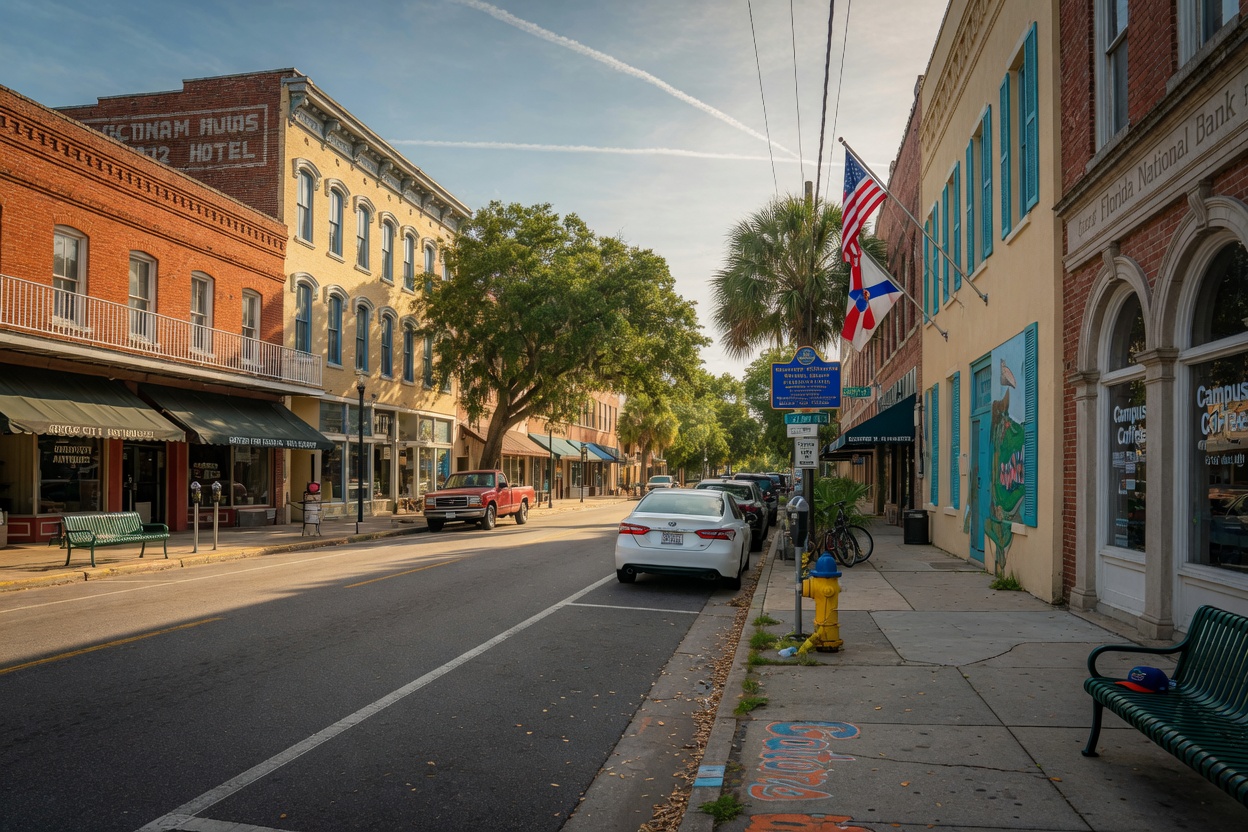
Downtown properties near the Hippodrome, restaurants, and nightlife appeal more to medical visitors, conference attendees, and leisure travelers seeking an urban experience. For these properties, highlighting walkability to UF Health and downtown attractions strengthens booking appeal during slow periods.
Tailored Approaches by Property Type
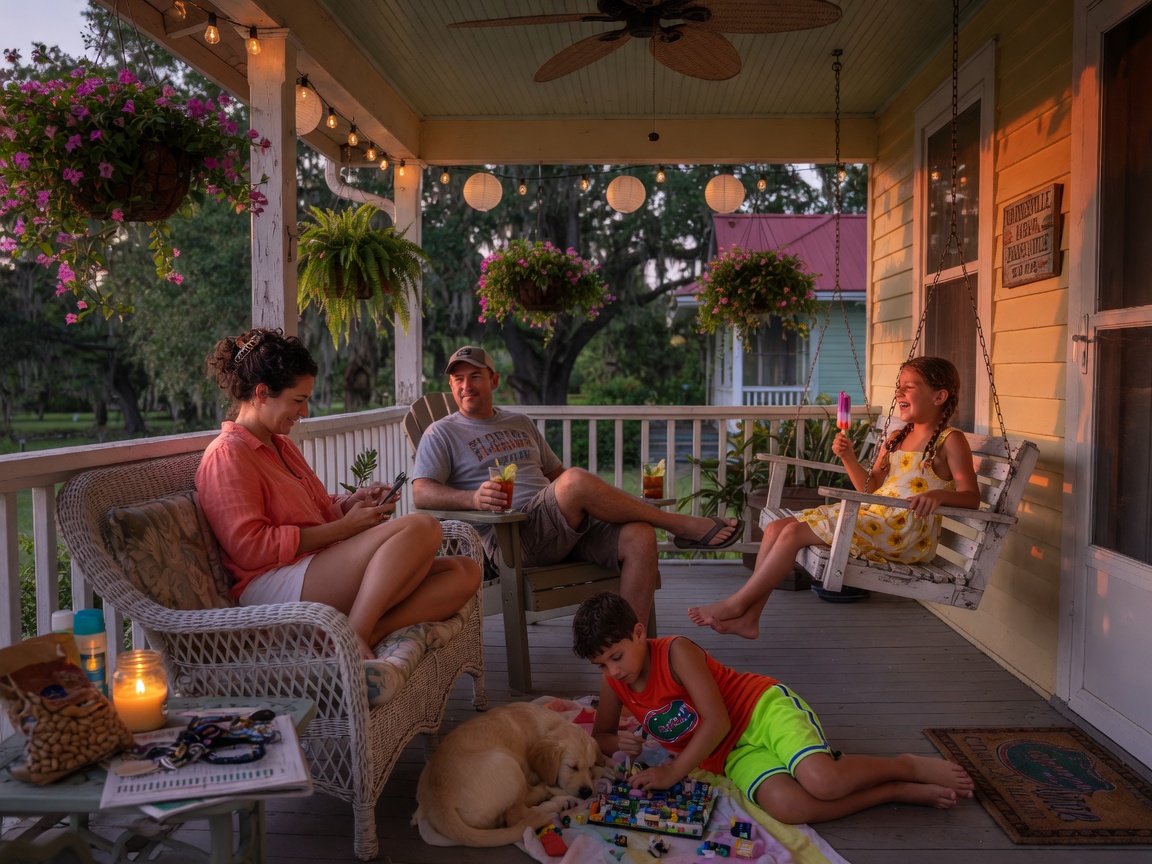
- Family Homes: Emphasize space, multiple bedrooms, and backyard features. Target families visiting for summer orientations or extended medical stays.
- Modern Condos: Highlight workspaces, high-speed internet, and proximity to downtown. These appeal to digital nomads and visiting professionals during summer months.
- Unique Properties: Lean into distinctive features (pool houses, historic homes) in listing descriptions to justify slightly higher rates even during slow seasons.
Measuring and Refining Your Slow Season Strategy
Continuous improvement requires consistent measurement. Track these key metrics monthly:
- Occupancy rate compared to previous year
- Average Daily Rate (ADR)
- Revenue Per Available Room (RevPAR)
- Average length of stay
- Booking lead time
- Direct vs. OTA booking mix
When a particular discount or minimum-stay rule underperforms, make incremental adjustments. Tighten the discount by 3-5% or increase the minimum stay by one night, then monitor results for at least two weeks before making further changes.
Common Mistakes to Avoid in Slow Season Pricing
Even experienced hosts make pricing errors that limit their success during soft periods. Avoid these pitfalls:
- Maintaining static pricing year-round
- Offering deep discounts without minimum-stay requirements
- Failing to update listing content for longer-stay guests
- Not leveraging automation tools for consistent execution
- Neglecting to track performance against historical data
By implementing a systematic approach based on local market data, you avoid reactive pricing decisions that often leave money on the table.
Preparing for the 2026 Football Season and Beyond
With the 2026 home schedule featuring high-profile matchups against Ole Miss and Oklahoma, next year promises strong peak performance. The key to maximizing annual revenue is balancing these peak earnings with strategic pricing during the inevitable slow periods.
Hosts who implement sophisticated Airbnb slow season pricing strategies Gainesville FL now will be well-positioned to capitalize on both the peaks and valleys of the local market. The most successful operators treat slow seasons as opportunities to test, refine, and optimize rather than simply accepting lower performance.
Implementing Your Custom Slow Season Playbook
Every property is unique. While the frameworks outlined in this guide provide a proven foundation, the most successful hosts develop custom rules based on their specific location, property type, and guest mix.
For owners seeking a complete data-backed playbook with custom calendar rules, automated pricing parameters, listing optimization, and ongoing performance optimization, professional guidance can accelerate results while minimizing trial and error.
Conclusion: Turning Slow Seasons into Strategic Advantages
The difference between average and exceptional performance in Gainesville’s short-term rental market often comes down to how effectively hosts navigate the predictable slow seasons. By implementing targeted discounts, thoughtful minimum-stay requirements, listing optimizations, and automation, property owners can transform traditionally weak months into reliable revenue contributors.
The strategies detailed in this guide have been tested across multiple local portfolios with consistent 18–27% occupancy improvements during slow periods. More importantly, they achieve these gains while protecting overall revenue and ADR enough to deliver genuine RevPAR growth.
Don’t wait for the next summer or winter break to begin implementing these tactics. The most successful hosts prepare months in advance, refining their pricing rules and listing presentation to attract the right guests during every part of the UF calendar.
Ready to implement a complete slow season system tailored to your specific Gainesville property? Schedule a free consultation with the local experts who developed these strategies. Call AntBNB at (631) 639-6760 or visit propertymanagementgainesville.com to put this system in place before the next slow window arrives.
With the right approach, your Gainesville short-term rental can deliver strong performance regardless of what the University of Florida calendar brings.