
College Property Management in Gainesville: Semester Product or House Inventory?
Property owners in Gainesville face a critical decision that can dramatically impact their return on investment. Is your property best served by traditional college property management focused on semester-long student leases, or does it have greater potential as flexible house inventory that can serve multiple markets throughout the year? This comprehensive guide explores both models, helping UF-area property owners make informed decisions about their real estate assets.
The distinction between these two approaches is more significant than many investors realize. While both involve managing rental properties near the University of Florida, the operational strategies, target markets, risk profiles, and revenue models differ substantially. Understanding these differences is essential for maximizing both financial returns and operational efficiency.
Image Grid 1









Understanding the Two Distinct Property Management Models
College property management in Gainesville has evolved into a specialized service designed specifically for the unique rhythms of academic life at the University of Florida. This model focuses on securing tenants for the full academic year, typically through 12-month leases that align with the university calendar.
In contrast, house inventory management treats the property as a versatile asset that can adapt to various rental opportunities throughout the year. This approach requires a more dynamic management strategy that can capitalize on multiple market segments beyond just the student population.
The Semester Product: Traditional College Property Management
The semester product in college property management Gainesville is built around predictability and volume. Management companies specializing in this model typically:
Image Grid 2



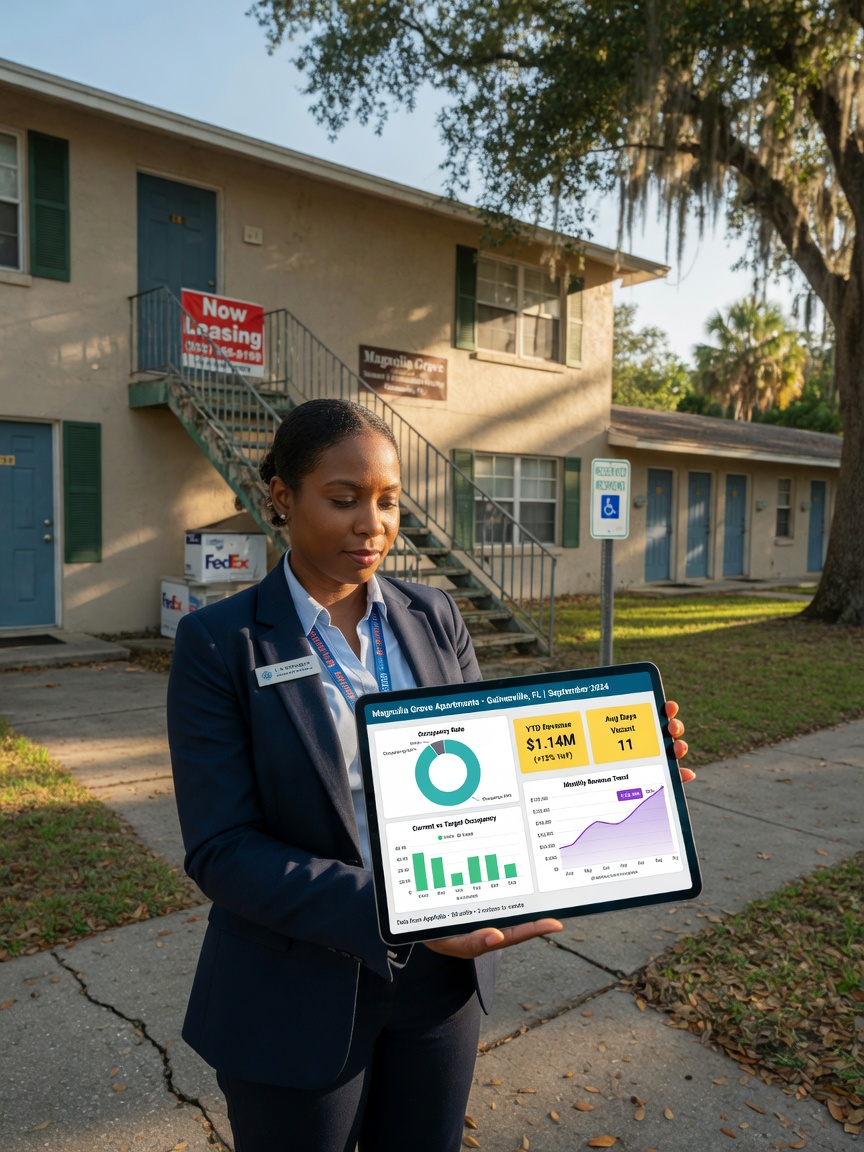





- Focus exclusively on filling properties with groups of students before the fall semester begins
- Conduct thorough tenant screening processes designed for academic-year reliability
- Implement monthly rent collection cycles that align with student financial patterns
- Coordinate property turnover primarily in May and August to match academic calendars
This approach makes sense when a property’s highest and best use is as a dedicated student housing unit. Parents searching for “houses for rent UF” are often looking for stability, proximity to campus, and professional management that handles the complexities of multiple tenants.
House Inventory: A More Flexible Approach
House inventory management represents a fundamentally different operational philosophy. Rather than committing a property to a single annual cycle of undergraduate tenants, this model treats each property as dynamic inventory that can serve various clientele:
- Visiting faculty on sabbatical or temporary assignments
- Recruiting teams and corporate training groups
- Medical professionals and patients associated with UF Health and Shands Hospital
- Parents visiting for graduations, parents’ weekends, and other university events
- Short-term travelers seeking authentic local experiences
This flexibility allows property owners to capture premium rates during high-demand periods such as football weekends, while still maintaining steady occupancy throughout the year.
The Financial Implications of Each Model
The decision between college property management and house inventory approaches carries significant financial consequences. Understanding the revenue potential, expense profiles, and risk factors of each model is crucial for making an informed choice.
Revenue Analysis: Semester Leases vs. Dynamic Pricing
Traditional college property management typically offers more predictable revenue streams. With 12-month leases in place, owners can forecast annual income with reasonable accuracy. However, this predictability often comes at the cost of opportunity. Properties located near Ben Hill Griffin Stadium or in vibrant midtown areas may generate substantially higher revenue during football weekends and other peak events than what a standard student lease provides.
House inventory management, when executed effectively, can produce higher overall returns through strategic pricing. Nightly rates during Gator football games, graduation periods, and major university events often significantly exceed the per-night equivalent of a student lease. The key is having the operational capacity to manage these fluctuating demand cycles.
Expense Considerations for Both Models
Both approaches involve maintenance, marketing, tenant screening, and administrative costs, but the allocation and timing of these expenses differ:
- College Property Management: Higher turnover costs concentrated in May and August, with relatively stable maintenance demands throughout the academic year.
- House Inventory: More frequent cleaning and turnover expenses, but potentially lower long-term maintenance costs due to higher per-stay revenue allowing for proactive property care.
Three Critical Indicators That College Property Management May Be the Wrong Fit
Not every property near the University of Florida is ideally suited for traditional college property management. Here are three important signals that your property might perform better as flexible house inventory:
1. Location Advantages That Support Premium Event Pricing
If your property sits close enough to Ben Hill Griffin Stadium or in the heart of midtown that Saturday nights during football season already out-earn a split rent share from student tenants, this is a strong indicator that college property management may not be optimal. Properties with easy access to campus hotspots can command premium rates during high-demand weekends that far exceed standard monthly rental rates.
2. Financing Structure Based on Nightly ADR
When your property financing is based on nightly average daily rate (ADR) rather than being “rented by August 1st,” you’re operating in a short-term rental financial model. This approach requires the flexibility to adjust pricing and availability based on market demand rather than academic calendars. Properties financed with this model in mind typically perform better outside the constraints of traditional student leases.
3. Reluctance to Assume the Role of “Fourth Roommate”
Many property owners discover they don’t want to be the fourth roommate when a lease goes sideways in October. Student leases can create complex interpersonal dynamics, especially when conflicts arise mid-semester. If you’re uncomfortable with the potential for being drawn into roommate disputes, maintenance emergencies at inconvenient times, or the challenges of collecting from multiple tenants with varying financial situations, a more professional, shorter-term rental model may be more suitable.
The University of Florida Market: Understanding Demand Patterns
Gainesville’s rental market is heavily influenced by the University of Florida’s academic calendar, athletic schedule, and medical community. Successful property owners recognize and leverage these patterns rather than fighting against them.
Academic Calendar Opportunities
The traditional academic year creates predictable peaks and valleys in housing demand. While college property management focuses primarily on filling these properties from August through July, savvy house inventory operators recognize additional opportunities:
- Summer sessions and research programs that bring different demographics to campus
- Winter break periods when visiting families seek accommodations
- Special academic events, conferences, and symposia throughout the year
Athletic and Event-Driven Demand
The University of Florida’s athletic programs, particularly football, create significant short-term housing demand. Home game weekends can generate revenue that equals or exceeds an entire month’s student rent. Properties that remain available for these peak periods often outperform those locked into full-year student leases.
Medical and Professional Transient Housing
UF Health and Shands Hospital create a steady demand for temporary housing from medical professionals, patients’ families, and visiting specialists. These clients typically seek higher standards of accommodation and are willing to pay premium rates for properties that offer privacy, comfort, and proximity to the medical campus.
Operational Differences: What Each Management Approach Requires
The day-to-day operations of college property management versus house inventory management require different skill sets, systems, and approaches.
Requirements for Successful College Property Management
Effective college property management in Gainesville demands:
- Deep understanding of the UF student housing market and academic calendar
- Robust tenant screening processes focused on academic-year reliability
- Efficient systems for managing multiple tenants per property
- Strong relationships with university housing offices and student organizations
- Expertise in handling the unique challenges of roommate dynamics
Skills Needed for House Inventory Management
Managing properties as flexible inventory requires a different operational toolkit:
- Dynamic pricing expertise and revenue management systems
- Advanced booking and calendar management capabilities
- Professional cleaning and turnover teams that can respond quickly
- Marketing strategies that target multiple customer segments
- Knowledge of regulations affecting short-term rentals in Alachua County
Legal and Regulatory Considerations in Gainesville
Both management approaches must navigate local regulations, but the requirements differ significantly. Understanding these legal frameworks is essential before choosing your management strategy.
Lease Agreements and Tenant Rights
Traditional 12-month student leases are governed by specific Florida statutes regarding residential tenancies. These agreements typically provide more stability but also create longer-term commitments that can be challenging to exit if circumstances change.
Short-Term Rental Regulations
Properties operating as house inventory must comply with Gainesville’s short-term rental ordinances, which may include registration requirements, occupancy limits, parking restrictions, and noise regulations. Successful operators build compliance into their operational systems from the beginning.
Case Studies: Real-World Examples from Gainesville
Examining actual properties in the UF area illustrates the financial and operational differences between these two approaches.
Case Study 1: The Midtown Football Weekend Property
A 4-bedroom home located within walking distance of both campus and midtown restaurants generated 43% higher annual revenue when managed as flexible inventory compared to a traditional student lease. The owner strategically blocked dates for major football weekends, parents’ weekend, and graduation, capturing premium rates that more than compensated for slightly lower occupancy during slower periods.
Case Study 2: The Stable Semester Property
A property located further from campus hotspots but with excellent access to the engineering complex and research facilities achieved consistent 98% occupancy through a college property management firm. The predictable cash flow allowed the owner to secure favorable financing terms and focus on other investments without active involvement in day-to-day operations.
Making the Decision: Which Approach Is Right for Your Property?
Determining whether your Gainesville property should utilize college property management or function as house inventory requires honest assessment of several factors:
- Property location and proximity to various demand drivers
- Your investment goals and cash flow requirements
- Your desired level of involvement in property operations
- Financing structure and lender requirements
- Current market conditions and competitive landscape
When to Choose Traditional College Property Management
The semester product approach is typically ideal when:
- Your property’s highest value is derived from consistent, long-term occupancy
- You prefer predictable revenue and minimal operational involvement
- The property layout naturally accommodates multiple student tenants
- You’re financing based on traditional rental income metrics
When to Choose House Inventory Management
Flexible inventory management makes more sense when:
- Your property is located in a high-demand area for event weekends
- You’re comfortable with variable monthly revenue in exchange for higher overall returns
- The property’s layout and amenities appeal to professional or family travelers
- You want to maintain control over availability during peak university events
The Hybrid Approach: Strategic Calendar Management
Some sophisticated owners implement a hybrid strategy that combines elements of both models. This approach might involve securing student tenants for the core academic periods while strategically reserving high-value dates for short-term premium rentals. However, this strategy requires careful coordination and clear communication with all parties involved.
Working With the Right Management Partner
Whether you choose traditional college property management or a house inventory approach, selecting the right partner is crucial. Look for management companies that:
- Specialize in your chosen operational model rather than trying to be all things to all properties
- Demonstrate deep market knowledge specific to your property’s location
- Provide transparent reporting and communication
- Have established systems for handling the unique challenges of your chosen approach
- Maintain strong relationships with relevant university departments and local authorities
Next Steps for Gainesville Property Owners
If you’re still uncertain about which management approach best suits your property, professional guidance can provide clarity. The decision often comes down to the specific characteristics of your property, your financial objectives, and your operational preferences.
Property owners in Gainesville can benefit from an objective assessment that considers location, property features, local market dynamics, and individual investment goals. This analysis can reveal whether your asset is currently optimized or if a different management approach could unlock additional value.
Conclusion: Aligning Your Property Strategy with Market Reality
The distinction between college property management and house inventory approaches is not merely semantic—it’s a fundamental strategic decision that affects everything from revenue potential to operational complexity. By understanding the unique characteristics of each model and honestly assessing your property’s attributes, you can make a decision that aligns with both market opportunities and your personal investment objectives.
Whether your Gainesville property ultimately performs best as a dedicated student housing unit or as versatile house inventory, the key is making an intentional choice based on data rather than defaulting to the most common approach. The University of Florida market offers opportunities for both models, but rarely does one property excel equally in both without strategic planning.
Call (631) 639-6760. Give the address and the current lease end date. We will tell you which product the house is actually in. Making this determination early can save significant time, money, and frustration while ensuring your property operates at its highest potential in the dynamic Gainesville rental market.