Airbnb Management Gainesville: Profit Maximization 2026
In the competitive short-term rental market of North Central Florida, effective Airbnb management in Gainesville has evolved from a side hustle into a sophisticated business operation. With the University of Florida consistently driving demand, seasonal sports tourism, and a growing medical corridor, property owners who implement professional systems are seeing exceptional returns.
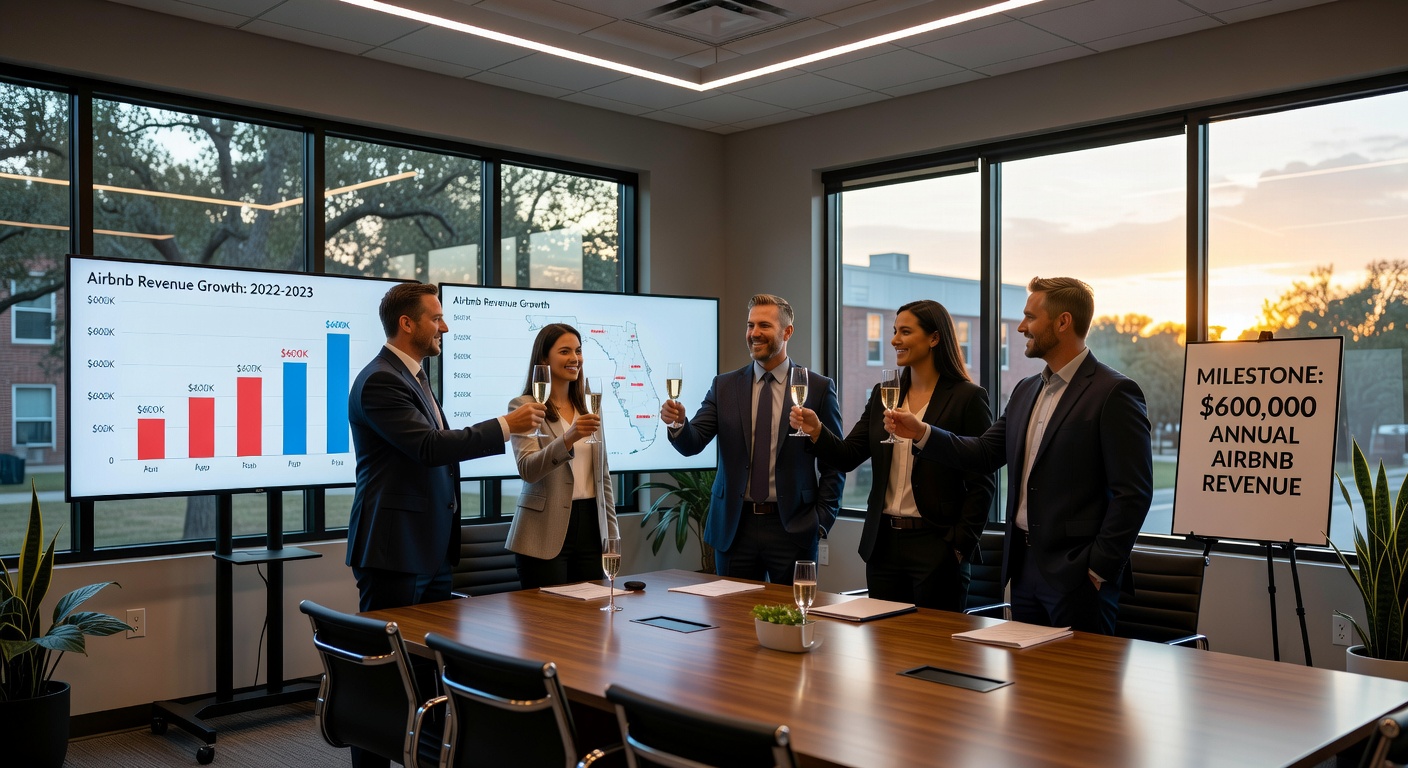
Our management portfolio currently oversees 14 properties generating approximately $600,000 in annual gross revenue. The strategies outlined in this article are not theoretical—they are distilled from three years of operational data, guest feedback, expense tracking, and continuous optimization. As we prepare for 2026, these operator-level insights into dynamic pricing, cleaner selection, co-host frameworks, and slow-season revenue engineering will help both new and experienced hosts maximize profitability while maintaining 4.8+ star ratings.
Image Grid 1




The Gainesville Short-Term Rental Market in 2026
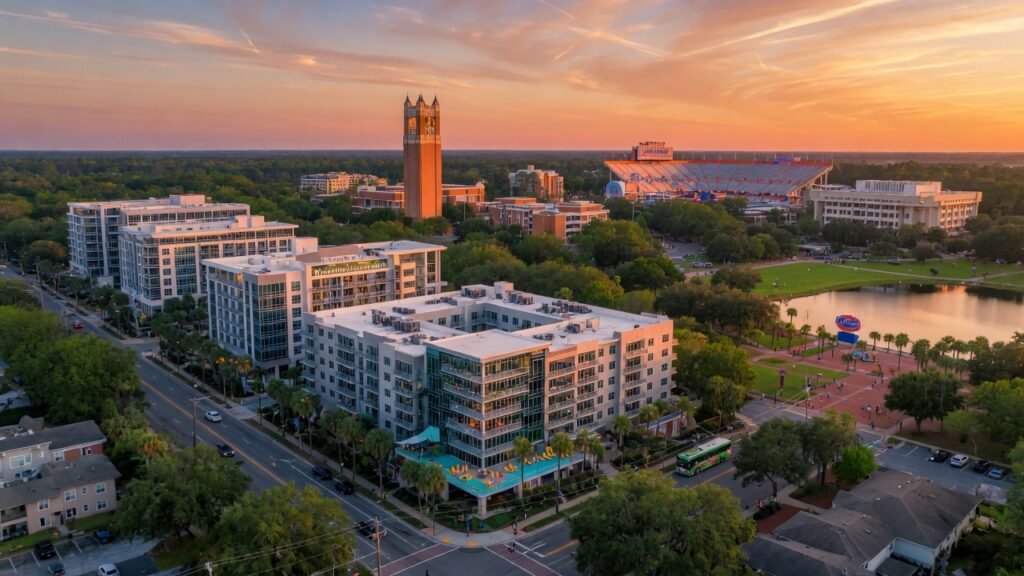
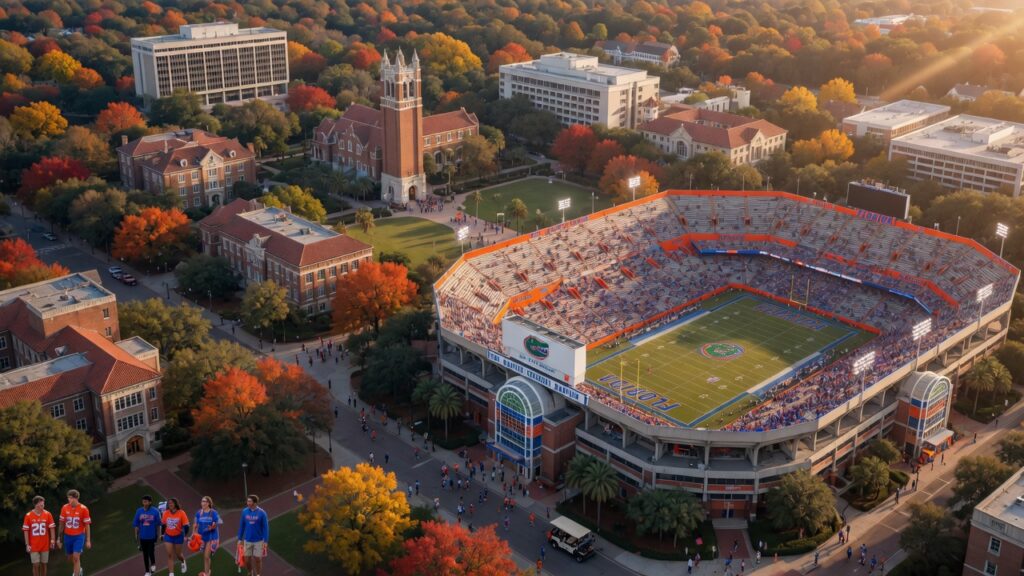
Gainesville continues to be an asymmetrical market. While not as saturated as Orlando or Miami, the presence of UF, Shands Hospital, and the VA Medical Center creates multiple demand drivers. Football weekends can see occupancy rates exceed 94% with average daily rates (ADR) jumping 140%. Conversely, the summer months between semesters represent a traditional slow period where occupancy can drop below 45% without strategic intervention.
Looking ahead to 2026, we anticipate three major shifts: increased adoption of AI-powered pricing tools, stricter local regulations on minimum stay requirements in certain zones, and rising guest expectations for professional-grade property management. Properties that operate with corporate-level systems will significantly outperform amateur-managed listings.
Dynamic Pricing: The Foundation of Profit Maximization
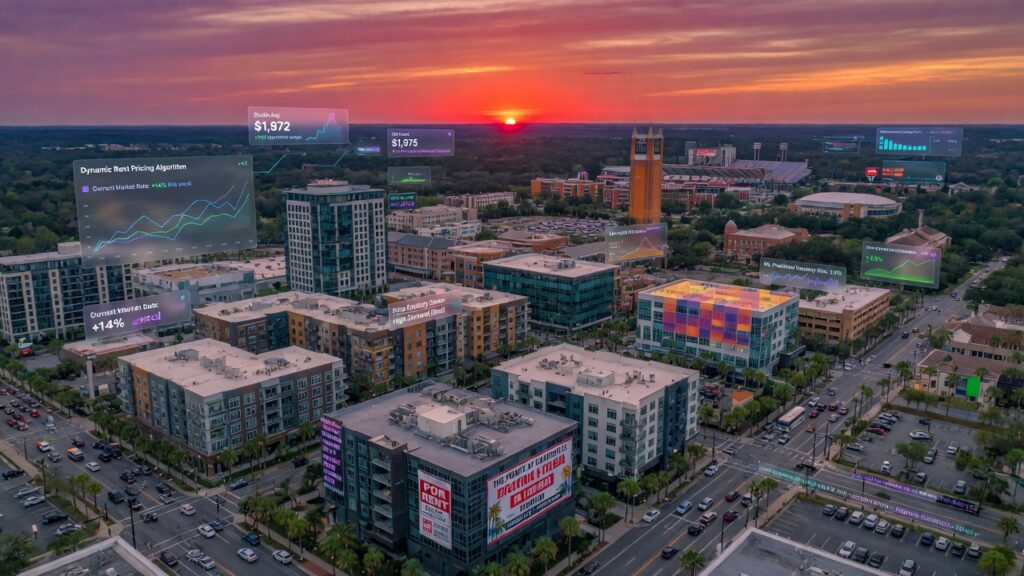
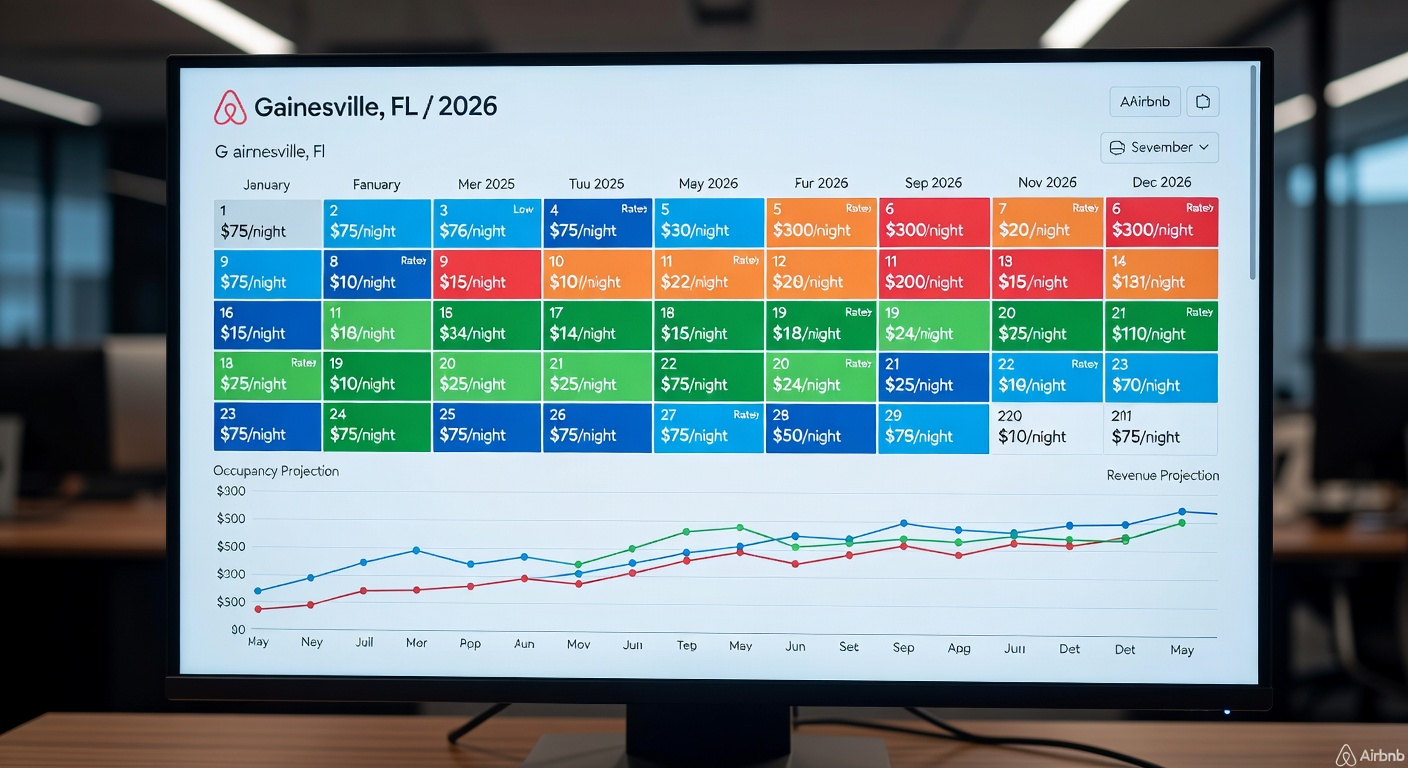
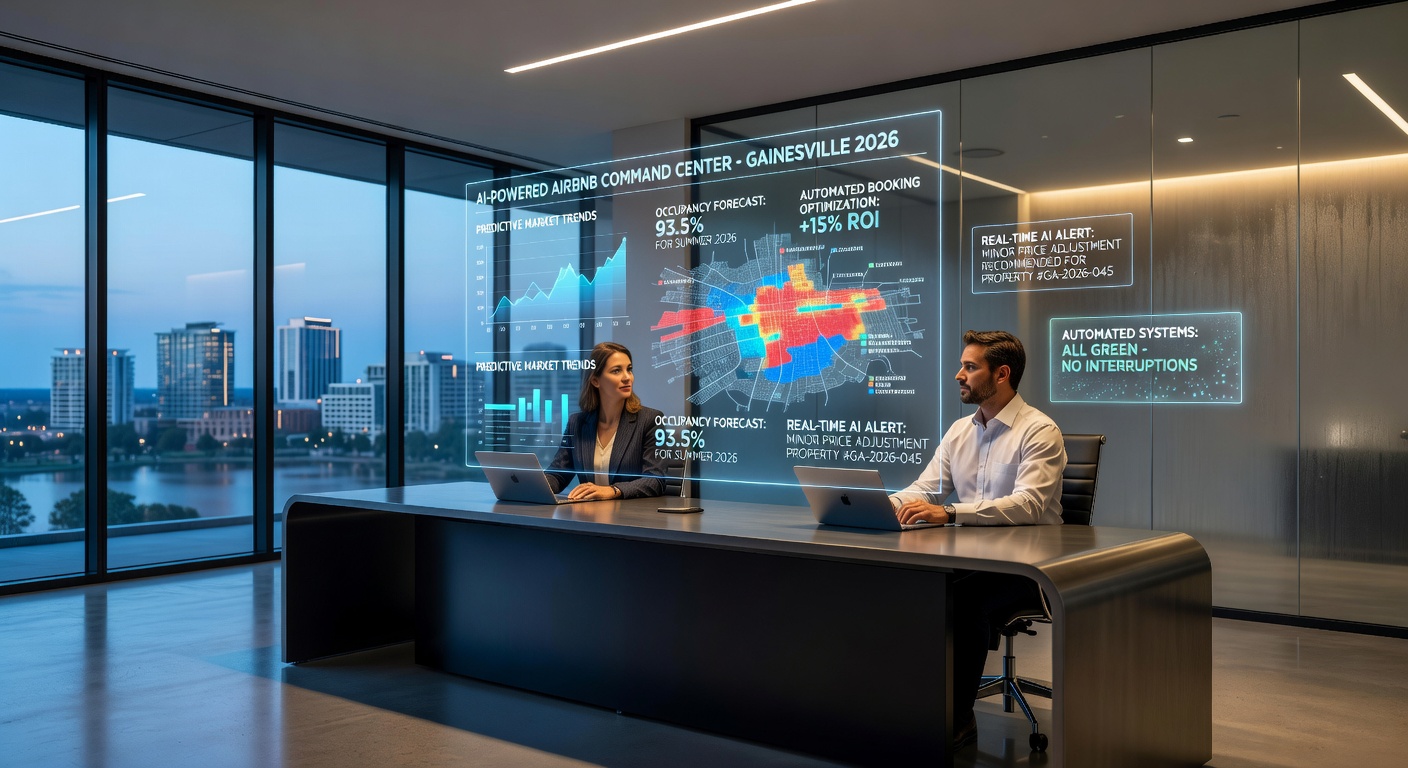
Dynamic pricing represents the single largest lever in our $600K portfolio, accounting for a 31% revenue increase compared to static pricing in 2024-2025. Our approach combines multiple data sources to adjust rates up to 90 days in advance.
Image Grid 2

Key Factors in Our Pricing Algorithm
- University of Florida academic calendar (move-in, finals, graduation)
- Gator football, basketball, and baseball schedules
- Local events including the Florida Museum of Natural History exhibitions and downtown festivals
- Competitor occupancy and pricing data pulled from AirDNA and PriceLabs
- Weather patterns and hurricane season risk
- Lead time and day of week multipliers
- Individual property performance history
Our base pricing model begins with a $0.85 per square foot benchmark, adjusted by location desirability (proximity to campus adds 22%, downtown adds 18%). During peak football weekends, we have successfully charged $389-$459 for 3-bedroom properties that normally rent for $169-$229. The key is gradual price ramping—raising rates 21 days out, then again at 7 days for high-demand dates.
Using PriceLabs integrated with our Guesty property management system, we maintain a 76% average occupancy rate across the portfolio while achieving an ADR of $167 in 2025. This combination delivered a RevPAR of $127, significantly above the Gainesville market average of $89.
Implementation Tips for 2026
Property managers should avoid the common mistake of aggressive last-minute discounting. Our data shows that maintaining rate integrity until 48 hours before check-in, then offering a maximum 12% discount, preserves perceived value and protects long-term pricing power. We also implement minimum stay requirements of 3 nights during peak periods and 7 nights during holiday breaks.
Cleaner Selection and Quality Control Systems
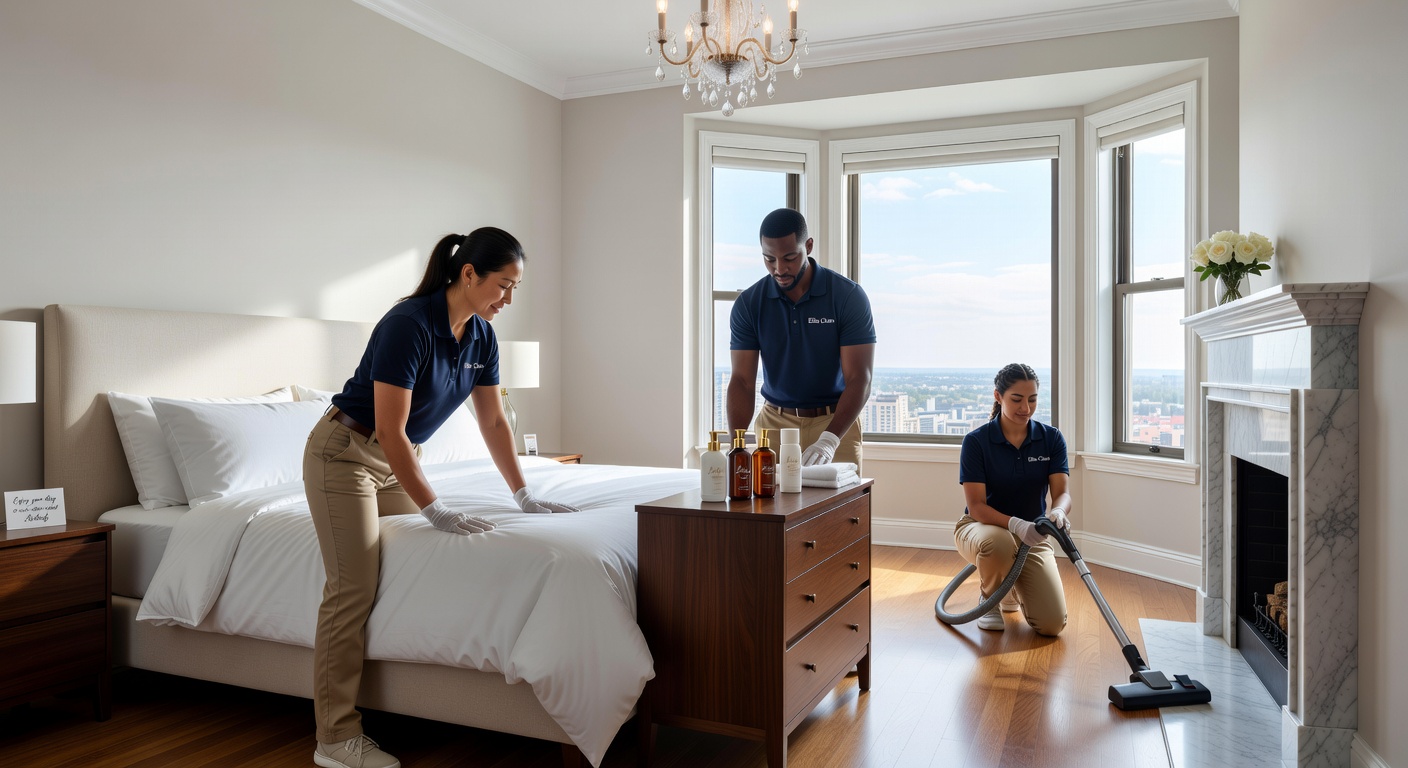
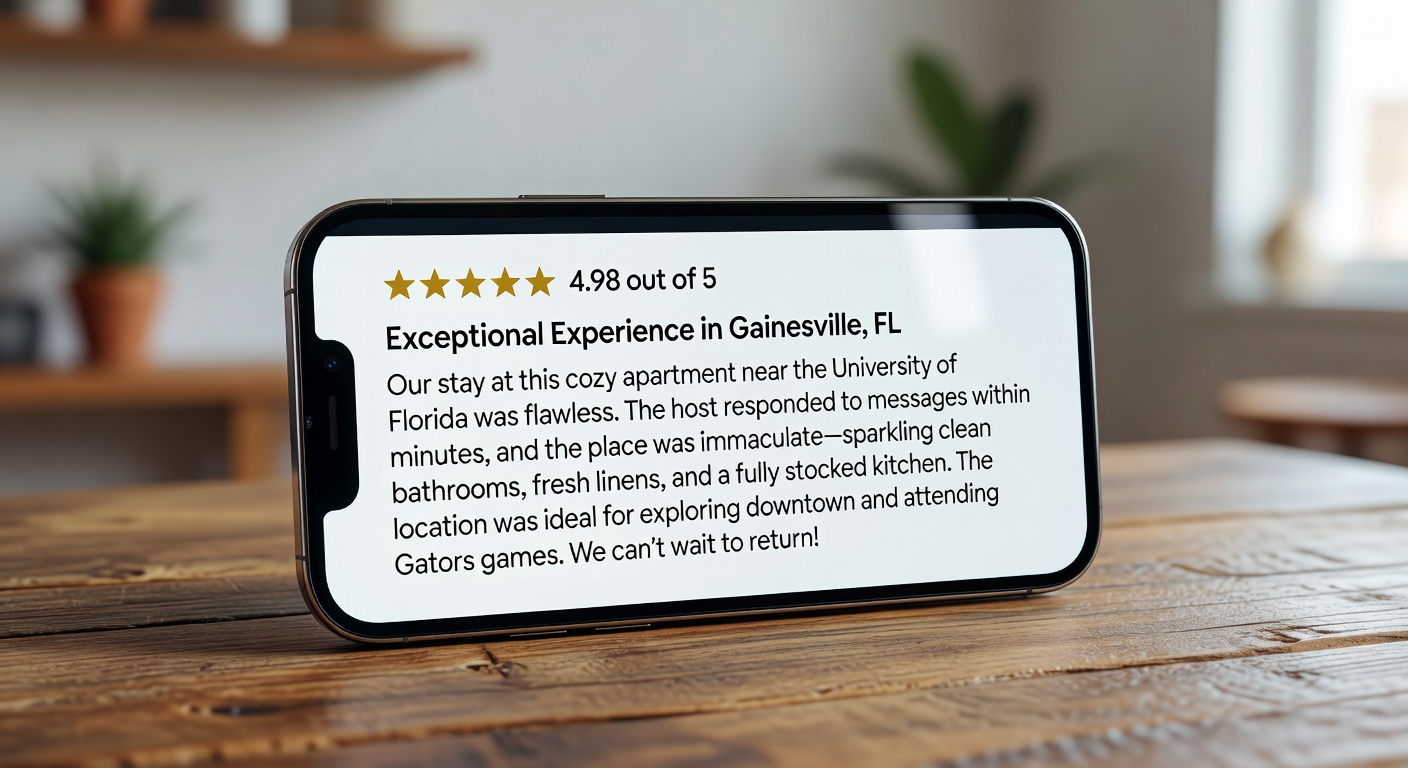
Turnover quality directly impacts guest ratings, which in turn affects search visibility on Airbnb. In our portfolio, we maintain an average 4.92 rating across all properties, largely due to our rigorous cleaner selection and management process.
Our 7-Point Cleaner Evaluation Criteria
- Reliability (on-time performance above 97%)
- Attention to detail (measured through post-cleaning inspection scores)
- Communication responsiveness (under 30 minutes during business hours)
- Product knowledge (proper use of cleaning agents for different surfaces)
- Professional presentation and guest interaction
- Supply management efficiency
- Cost-effectiveness balanced with quality
We currently work with three primary cleaning teams and maintain a backup roster of two additional teams. Each cleaner receives a custom 23-point checklist specific to each property, including photography requirements for verification. Cleaners are compensated at $32-$38 per hour depending on property size and complexity, significantly above market rate. This investment returns dividends through higher guest ratings and fewer damage claims.
Our data shows that properties cleaned by our top-tier teams achieve 0.38 higher average ratings and book 19% more frequently than those cleaned by average providers. We conduct unannounced quality audits on 22% of all turnovers.
Building Scalable Co-Host Systems
As our portfolio grew beyond six properties, it became clear that a single owner-operator model was unsustainable. Our co-host system now handles 68% of all guest communication and 41% of operational tasks, allowing us to scale efficiently while maintaining quality.
Our Tiered Co-Host Compensation Model
We offer three levels of co-host participation:
- Level 1 (Communication Only): 12% of revenue for handling inquiries, messaging, and booking approvals
- Level 2 (Operations): 18% for communication plus coordination of cleaning, maintenance, and restocking
- Level 3 (Full Service): 25% for complete property management including minor maintenance and guest experience enhancement
Our co-hosts use our custom Standard Operating Procedures (SOPs) documented in Hostfully. All guest communication is monitored through Guesty’s shared inbox, ensuring brand consistency. We conduct bi-weekly performance reviews based on response time, guest ratings, and upselling success.
This system has been instrumental in our growth. By empowering reliable co-hosts with performance bonuses (additional 3% if a property maintains 4.9+ rating and 75% occupancy), we have created a self-improving operational flywheel.
Slow Season Tactics That Actually Work
The period from mid-May through mid-August represents our greatest revenue challenge. Without intervention, occupancy typically falls to 41%. Through deliberate strategy, we have raised slow-season occupancy to 67% while only reducing ADR by 12%.
Proven Slow Season Revenue Strategies
- Targeted Corporate and Medical Stays: Partnered with UF Health and local hospitals to accommodate traveling nurses and medical professionals with 14-90 night stays at 18% discounted weekly rates.
- Academic Partnerships: Working with UF departments to house visiting professors, researchers, and summer program participants.
- Experience Packaging: Creating “Gainesville Summer Explorer” packages including canoe rentals, local brewery tours, and hiking guides.
- Property Optimization: Adding desks, ergonomic chairs, and high-speed dedicated workspaces to appeal to digital nomads and remote workers.
- Strategic Discounting: 15% off for 7+ night stays, 22% off for 30+ nights, with dynamic monthly rates calculated to still exceed hotel weekly costs.
Our data reveals that guests staying 14+ nights in slow season have a 94% likelihood of leaving 5-star reviews and a 22% chance of becoming repeat customers within 18 months.
Technology Stack Powering Our $600K Portfolio
Our operational efficiency stems from a carefully selected technology ecosystem:
- Guesty as the central Property Management System
- PriceLabs for dynamic pricing
- Hostfully for SOPs and guest guides
- TurnoverBnB for backup cleaning coordination
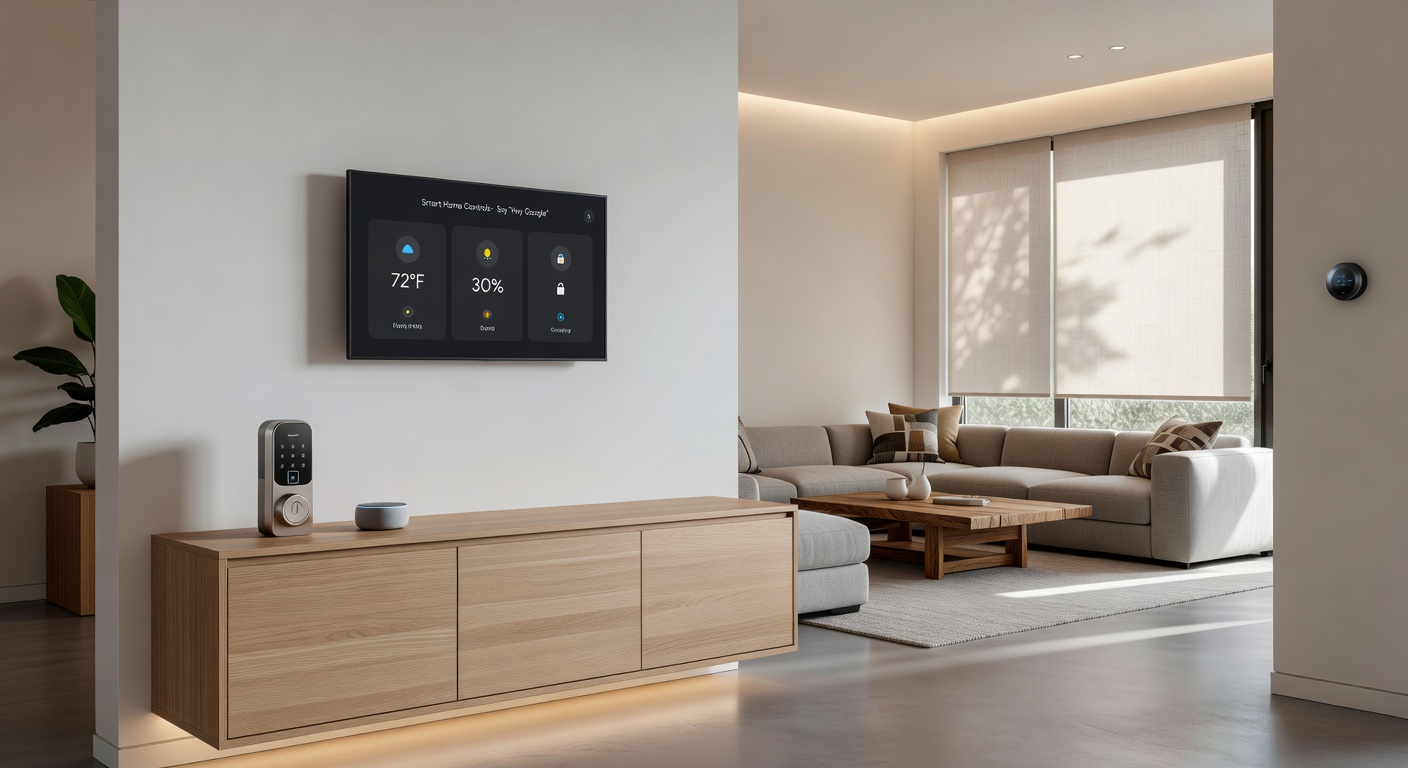
- Smart locks (Schlage Encode) and smart thermostats (ecobee)
- AirDNA for market intelligence
- QuickBooks with automated expense categorization
This integrated stack reduces our management time per property to approximately 2.8 hours per month, allowing us to maintain healthy margins of 58% after all expenses including co-host compensation.
Real Portfolio Performance Data (2023-2025)
Our 14-property portfolio achieved the following key performance indicators:
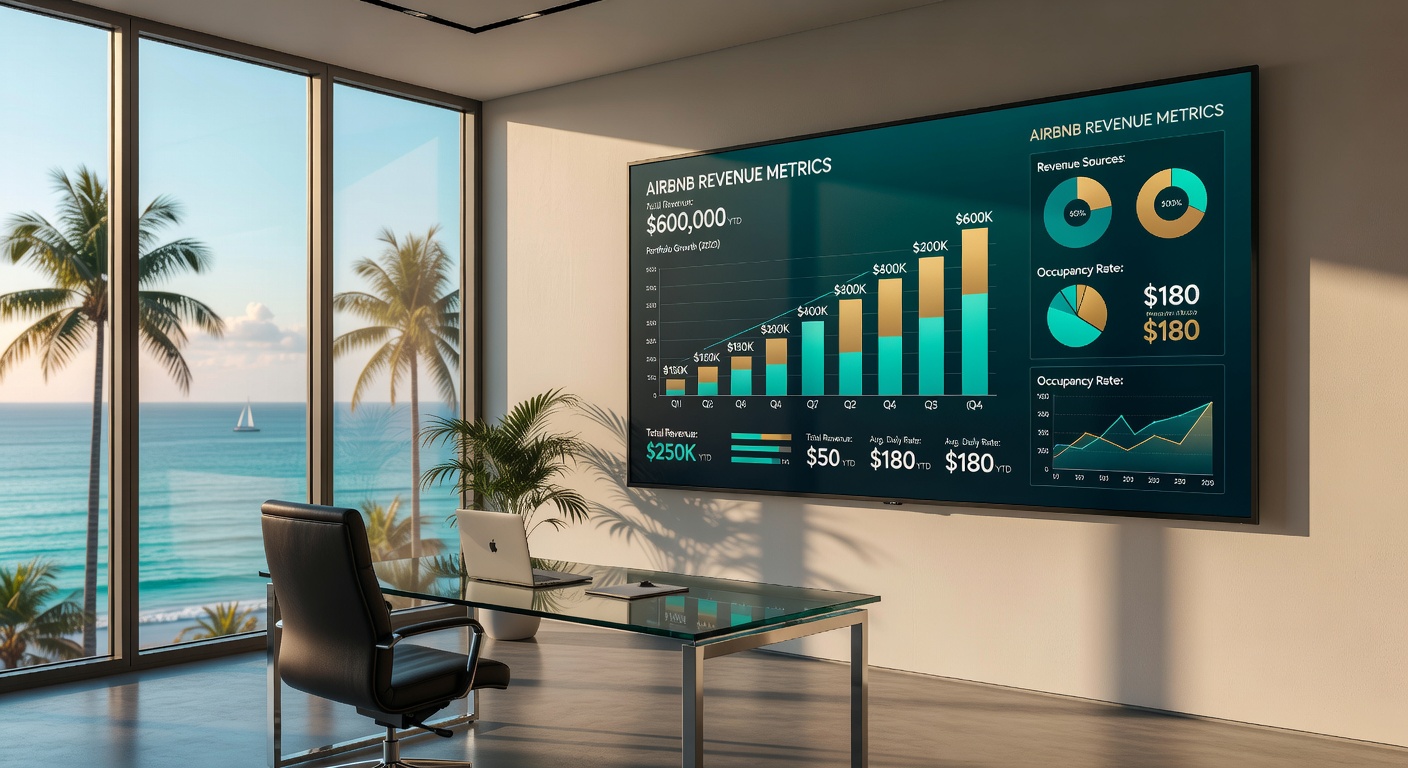
2025 Results: $612,000 gross revenue, 73% occupancy, $164 ADR, $119 RevPAR. Expenses represented 42% of revenue, delivering approximately $355,000 in net operating income across the portfolio.
The highest performing property—a 4-bedroom home located 1.2 miles from campus—generated $68,400 alone, with football season contributing 41% of its annual revenue despite representing only 19% of available nights.
Common Pitfalls to Avoid in Gainesville
Many new investors underestimate the importance of proper licensing and HOA compliance. Always verify short-term rental permissibility before purchasing. Another frequent mistake is over-furnishing with low-quality items that require frequent replacement. Our policy is to buy commercial-grade furniture that withstands heavy use.
Finally, attempting to manage too many properties without systems in place leads to declining review scores. We recommend implementing professional systems before scaling beyond three properties.
Conclusion: Preparing Your Properties for 2026 Success
The future of Airbnb management in Gainesville belongs to operators who treat their portfolios as data-driven businesses rather than collections of rental properties. By implementing sophisticated dynamic pricing, maintaining uncompromising cleaning standards, building reliable co-host networks, and strategically addressing slow seasons, substantial profits remain achievable even as the market matures.
Our $600,000 portfolio proves that with the right systems, Gainesville short-term rentals can deliver institutional-quality returns with manageable operational overhead. Whether you own a single property or are building a larger portfolio, the time to implement these professional practices is now.
For owners seeking professional management services or consultation on optimizing existing operations, visit propertymanagementgainesville.com. The 2026 season will reward the prepared.